
Last updated November 17, 2026
 Home additions & ADU
 Kitchen remodeling
 Bathroom remodeling
 Roofing
 Windows & doors
 Driveway & pavers
 Fence
Free written scope consultation - allowances, timeline, and change-order rules on paper before a single trade is scheduled
Construction Warning Signs: A Frisco Homeowner’s Reference Guide
A hairline crack in drywall above a door frame means almost nothing in a home built on stable soil. In Frisco, sitting on Blackland Prairie clay, it means the same thing it always does: measure it, photograph it, and check it again in 60 days, because the soil here doesn’t stop moving. That single habit, documenting rather than panicking, separates a $200 drywall repair from a $20,000 foundation claim. This guide walks through the structural and systemic signals that actually matter in Frisco homes: how to read foundation cracks by pattern, what North Texas hail leaves on a roof, which drainage failures quietly destroy a slab, and how to keep the evidence trail that wins insurance and warranty disputes.
Quick Answer
In Frisco, the warning signs that deserve real attention are diagonal and stair-step foundation cracks wider than a quarter inch, roof granule loss and lifted flashing after hail, soil that ponds or slopes toward the slab, and moisture trapped behind brick or stucco. Cosmetic hairline cracks and minor paint checking usually aren’t structural. Document everything with dated photos and measurements, then bring in a professional when a sign repeats, grows, or combines with another.
Styles & brands we work with
- Kitchen remodeling
- Bathroom remodeling
- Home additions & ADU
- Roofing
- Windows & doors
- Driveway & pavers
- Fence
Table of Contents
- Foundation Warning Signs in Frisco’s Clay Soil
- Roof Warning Signs After North Texas Hail
- Drainage and Grading Red Flags
- Masonry and Stucco Signs of Hidden Moisture
- Interior Signals: Doors, Floors, and Drywall
- Exterior Cladding and Fence Aging
- The Documentation System Every Frisco Homeowner Should Keep
- Seasonal Inspection Checklist for Frisco Homes
Foundation Warning Signs in Frisco’s Clay Soil
Frisco sits on Blackland Prairie clay, and that clay is the single biggest driver of foundation movement here. It expands when wet and shrinks when dry, and North Texas swings between both extremes within a single season. That movement is normal. The question isn’t whether the soil moves, it’s whether your foundation is moving evenly. Crack patterns tell you the difference.
Here’s how to read them, ranked by how much attention each deserves:
- Diagonal cracks at 45 degrees near corners or windows. These usually indicate differential settlement, meaning one part of the slab is dropping faster than another. Measure the width and log it. Anything approaching a quarter inch or actively widening is a professional call.
- Stair-step cracks in brick or block mortar. The crack zigzags along the mortar joints like a staircase. This is classic clay movement and often the first visible exterior sign. Photograph the full wall, then a close-up with a ruler.
- Horizontal cracks below grade or at the base of a wall. These are the most serious pattern and suggest lateral pressure or a failing foundation edge. Don’t wait on this one.
- Hairline vertical cracks. Usually cosmetic shrinkage, especially in newer Frisco construction. Monitor, don’t panic.
A practical test: place a strip of masking tape across a crack, date it with a marker, and check it every 60 days. If the tape tears, the crack is still moving. That photo series is worth more to a structural engineer or an insurer than any description you could write.
Frisco’s newer master-planned neighborhoods also share a factor worth knowing. Freshly graded lots and new landscaping settle for the first few years, and irrigation that soaks one side of a house more than the other creates uneven moisture in the clay. If you’re seeing movement concentrated on one side of the home, check where the sprinkler heads actually land before you assume the worst.
Roof Warning Signs After North Texas Hail
Hail is a routine event in Frisco, not an emergency, and most roofing damage here shows up in patterns you can spot from the ground with binoculars. The trick is knowing the thresholds that mean “watch it” versus “call someone.”
What to look for after a storm:
- Granule loss on shingles. Look at the gutters and the ground at downspout outlets. A handful of granules is normal weathering. Bald patches on shingle faces, or shingles that look smooth and dark where they should be textured, mean the protective layer is gone and the shingle is aging fast.
- Lifted or bent flashing. Check the metal around chimneys, vents, and where roof planes meet. Flashing that has pulled up or dented is a leak waiting for the next hard rain.
- Ridge board deflection. Stand back and sight along the ridge line. A sag or dip in the middle suggests a structural or decking issue underneath, not just a worn surface.
- Dented soft metals. Gutters, downspouts, and vent caps show hail impact long after shingles look fine. Dents there tell you the storm was significant.
- Interior stains after rain. Brown rings on ceiling drywall, especially near exterior walls, mean water is already getting through.
When it’s time to replace, material choice matters as much as installation. We work with GAF, CertainTeed, Owens Corning, IKO, Atlas, Tamko, and Boral roofing systems, and the difference between a mid-grade and a premium shingle in this climate is measured in decades of granule retention and wind rating, not just color. Choosing the right system for your roof pitch and sun exposure is where a full-scope contractor earns their keep, because roof, flashing, ventilation, and attic insulation all interact.
If your inspection turns up more than shingles, our Construction Frisco team can look at the roof alongside the rest of the exterior envelope so you’re not patching one layer while another fails behind it.
Drainage and Grading Red Flags
Most foundation problems in Frisco start at the soil surface, not under the slab. Water is the enemy, and the way a lot drains determines whether your clay stays at a stable moisture level or swings wildly.
The numbers that matter for a Frisco slab:
- Slope away from the foundation. The ground should fall roughly 6 inches over the first 10 feet from the house. Flatter than that, and water sits against the slab instead of running off.
- Ponding within 10 feet. If water stands for more than a day after rain anywhere within 10 feet of the foundation, that’s a red flag. Standing water soaks the clay on one side and creates the exact differential movement foundations hate.
- Downspout discharge. Downspouts that dump water right at the base of the wall are doing the opposite of what they should. Extend them several feet out and away.
- Gutter overflow. Gutters that spill over the edge during rain are sending concentrated water down the wall and into the soil at the worst possible spot.
Grading corrections are one of the highest-return fixes a Frisco homeowner can make, and they’re often overlooked because the problem is invisible until the foundation cracks. If your driveway or patio slopes back toward the house, that’s another drainage path worth fixing. Re-grading a slab-adjacent surface with proper driveway & pavers work can redirect water away while improving the look of the property.
Walk your lot after a heavy rain and watch where the water actually goes, not where you think it goes. That five-minute observation tells you more than any inspection report.
Masonry and Stucco Signs of Hidden Moisture
Moisture trapped behind brick or stucco is the expensive kind of problem because you can’t see it, and by the time you can, the repair is no longer cosmetic. Frisco’s humidity and heavy spring rains make this a real risk, especially on homes with stucco or with brick veneer that has developed small entry points.
Signs that water is getting behind the cladding:
- Efflorescence. That white, powdery salt stain on brick or stucco is water moving through the masonry and evaporating on the surface. It’s a symptom, not just a stain.
- Spalling. When the face of a brick or a patch of stucco flakes off, water has been freezing or expanding inside the material. Frisco’s mild winters mean this is driven more by moisture cycling than hard freezes, but the result looks the same.
- Crumbling mortar joints. Soft or receding mortar lets water in further. Repointing is straightforward when caught early.
- Stucco cracking at corners and around penetrations. Hairline cracks around windows and pipes are the classic entry points, and they widen over time.
- Interior paint bubbling or wallpaper lifting on exterior walls. This is the inside half of the same problem and means moisture has already crossed the wall assembly.
Behind the cladding, the assembly matters. A proper wall system uses a drainage plane and waterproofing at wet zones, and products like Schluter systems are specified precisely because they manage moisture at the tile and shower level rather than hoping it stays out. When we look at moisture problems, we look at the layers behind the surface, not just the visible crack.
Interior Signals: Doors, Floors, and Drywall
Interior symptoms are the ones homeowners notice first, and they’re easy to misread. A door that sticks in summer and swings free in winter is normal seasonal wood movement in Frisco’s humidity swings. A door that sticks all year, or that suddenly won’t latch at all, is a different story.
Interior signs worth logging:
- Doors and windows that bind consistently. If a door scrapes the frame year-round or a window won’t close flush, the frame may be racking from foundation movement.
- Floors that feel uneven or slope noticeably. A soft spot or a definite pitch underfoot can indicate subfloor or slab issues.
- Drywall cracks that run diagonally from door or window corners. The 45-degree corner crack is the same differential settlement signal you’d look for on the exterior, seen from the inside.
- Gaps at baseboards or crown molding. A widening gap where trim meets wall or floor suggests the wall is moving away from the trim.
- Nail pops along ceiling or wall seams. A few are normal in new construction. A sudden line of them across a ceiling can mean the drywall is flexing.
The rule of thumb: one symptom, monitor it. Two or more that appear together, or a single one that gets worse over two or three months, is the point to bring in a professional. Frisco homes built in the last couple of decades have largely settled into their movement patterns, so new symptoms on an older home are more telling than the same symptoms on a two-year-old build.
Exterior Cladding and Fence Aging
Your home’s exterior is a system, and the parts that fail first often aren’t the ones you’re watching. Siding, trim, and fencing all take the brunt of North Texas sun and storm cycles, and their warning signs are usually visible long before they become structural.
On the house itself, watch for:
- Siding that’s lifting, warping, or showing soft spots. Fiber cement siding like James Hardie is built to hold up in this climate, but it still needs proper installation over a drainage plane. Soft or bubbling spots point to water behind it.
- Caulk and sealant gaps around windows and doors. These are the highest-risk junctions for water entry. Re-caulking is cheap; rot repair is not.
- Paint peeling in sheets rather than flaking. Sheet peeling often means moisture is pushing from behind.
Fences age faster than most homeowners expect in Frisco’s sun and clay. Leaning posts, rot at the base, and loose pickets are the obvious signs, but the less obvious one is a fence line that’s pulling away from the ground where the clay has shifted. If you’re weighing repair versus replacement, fence installation is often the more economical path once several posts have gone soft at once. When the project becomes a full exterior upgrade, our broader home additions & ADU work shows how cladding, roofline, and structure tie together across a whole property.
The Documentation System Every Frisco Homeowner Should Keep
Here’s the part almost everyone skips, and it’s the part that saves money. When you file an insurance claim or a warranty dispute, what wins is evidence with dates, not your memory. Build a simple file and keep it current.
- Photograph every crack and defect with a ruler or coin for scale. Date-stamp each shot. A photo without a date is a photo that proves nothing.
- Keep a simple log in a notebook or spreadsheet. One line per entry: date, what you observed, where, and measurement. Two minutes per entry.
- Use the tape method for cracks. Masking tape across the crack, marked with the date, tells you within one check whether it’s still moving.
- Photograph after every major storm. Hail and wind events in Frisco are the trigger for most roof claims, and a pre-storm vs. post-storm photo pair is the strongest evidence you can hold.
- Keep every receipt for repairs, materials, and contractor work. Warranty terms often hinge on documented maintenance.
- Store it in the cloud and a physical folder. One backup that survives a water leak, one that survives a lost phone.
When you do bring in a professional, that file becomes the brief. It shortens the inspection and gives whoever you hire a clear picture of what’s changed and how fast.
Seasonal Inspection Checklist for Frisco Homes
A short walk-around twice a year catches most of what this guide describes. Use this as your starting routine:
- Spring, after the last hard rain. Walk the lot and note where water ponds. Check gutters and downspouts for overflow. Look at brick and stucco for efflorescence.
- After any significant hail event. Binocular check of the roof for granule loss, flashing lift, and ridge sag. Inspect gutters and vents for dents.
- Late summer. Check interior doors and windows for new binding. Look at baseboards and trim for widening gaps. Photograph any drywall cracks with a ruler.
- Fall, before the rainy season. Re-check caulk and sealant around windows and doors. Clear the gutters. Confirm the ground still slopes away from the slab.
- Any time a crack appears or widens. Tape it, date it, and check it in 60 days.
Each of these takes under an hour. The point isn’t to become a home inspector, it’s to notice changes while they’re still cheap to fix.
Common Mistakes to Avoid
- Patching a foundation crack without diagnosing the cause. Drywall mud over a moving crack will simply crack again, and you’ve lost the evidence that told you the foundation was shifting. Fix the cause first.
- Ignoring drainage because the crack is small. In Frisco’s clay, a drainage problem left alone for two seasons can turn a simple fix into a foundation repair. The slope and ponding checks matter more than the crack itself.
- Judging roof condition by shingle appearance alone. Granule loss, flashing lift, and ridge deflection don’t all show up on the shingle face. Look at the whole roof system.
- Assuming stucco cracks are cosmetic. Cracks at corners and penetrations are water entry points, and moisture behind stucco is invisible until the repair gets expensive. Seal them and check what’s underneath.
- Not documenting before a storm. A claim with a dated pre-storm photo is far easier to support than one with just a post-storm description.
- Hiring separate contractors for every symptom. A roof leak, a foundation crack, and a drainage problem are often the same story. When the scope spans multiple trades, one contractor with direct control over all of them keeps the diagnosis coherent.
- Treating a seasonal door stick as structural. In Frisco’s humidity swings, some wood movement is normal. The mistake is both overreacting to it and ignoring the version of it that’s year-round.
See the difference
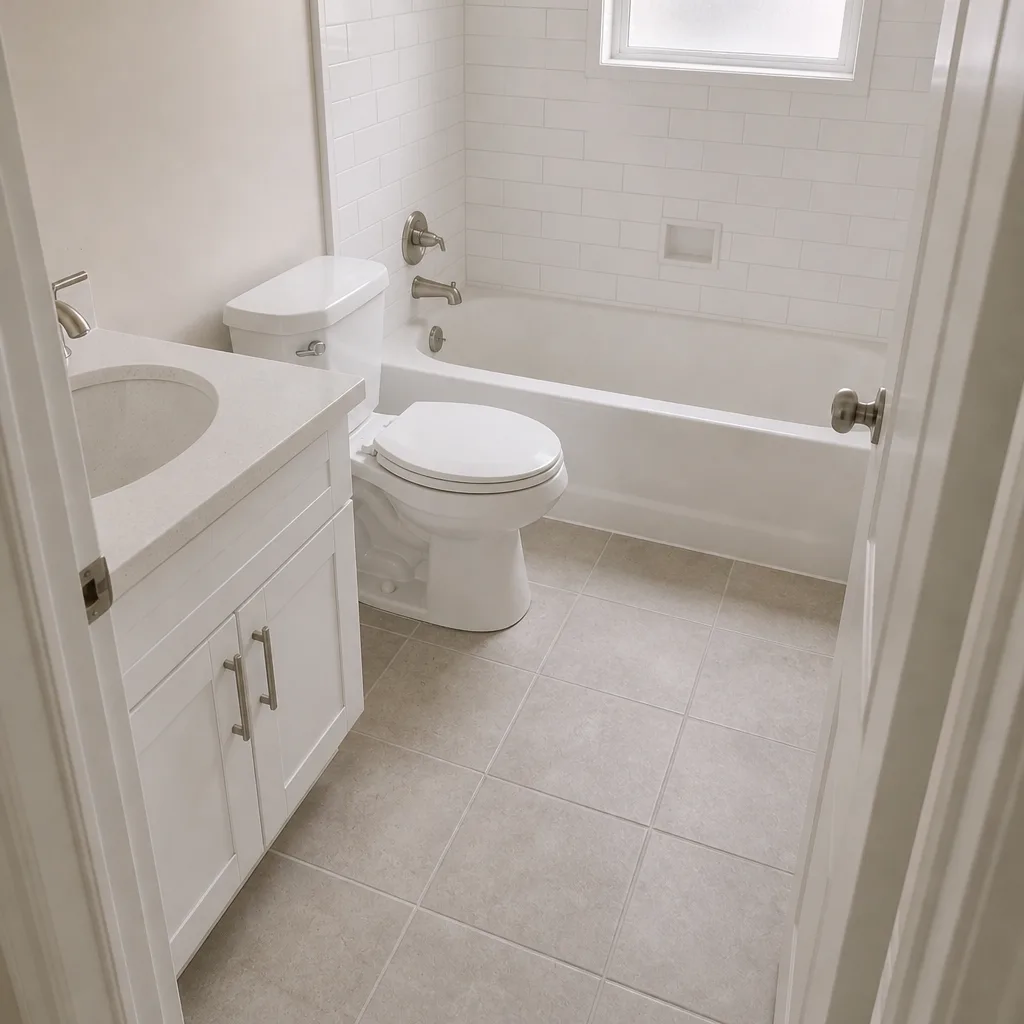
 Before
 After
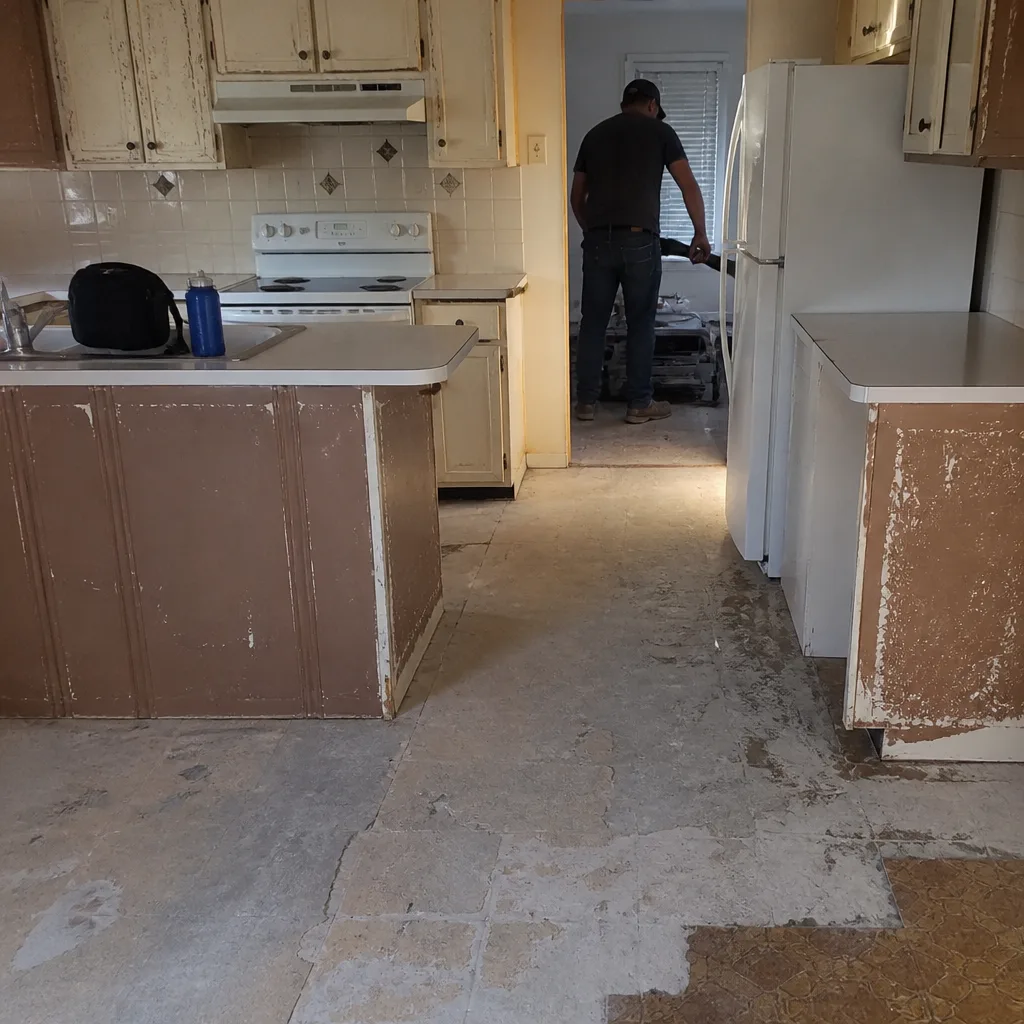 Before
 After
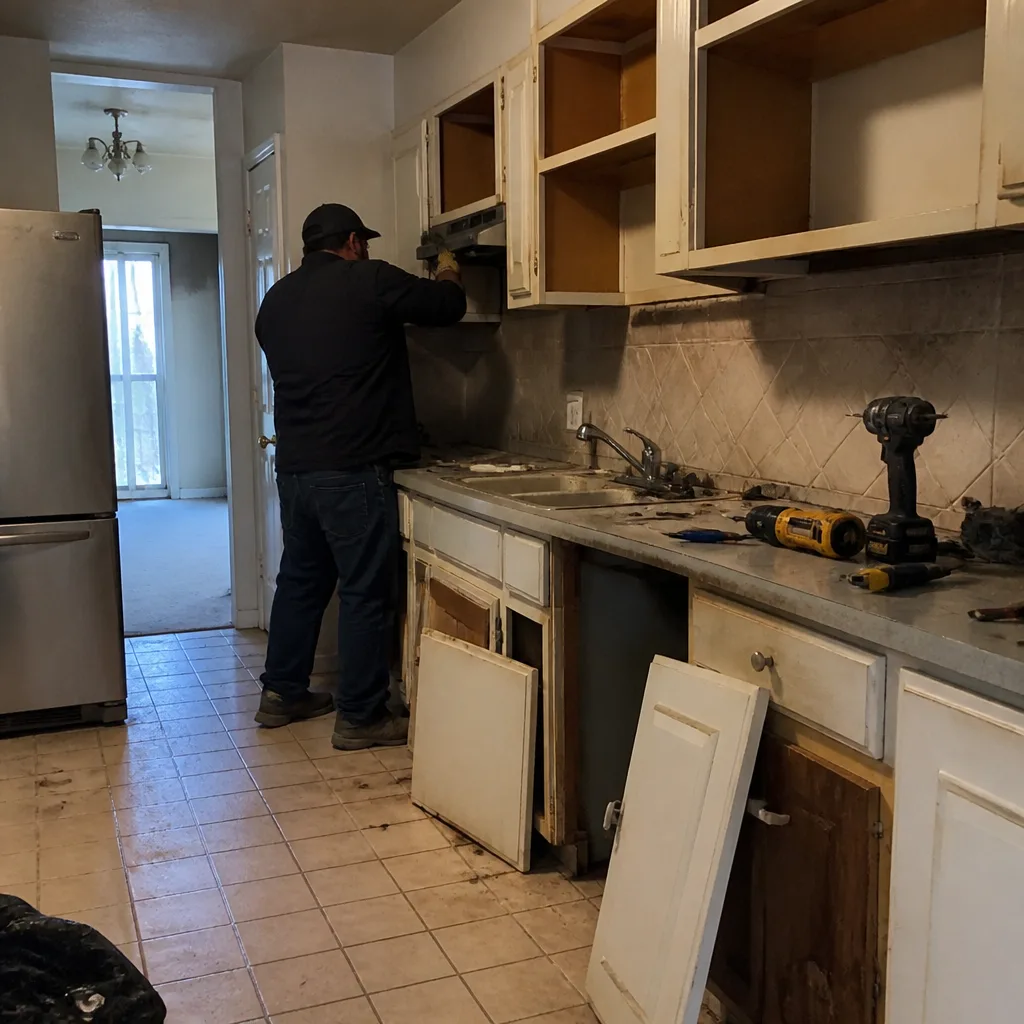 Before
 After
When to Call a Professional
Call a professional when a foundation crack is diagonal, stair-step, or horizontal and approaching a quarter inch; when a crack continues to widen across two 60-day checks; when a roof shows granule loss, lifted flashing, or ridge sag; when water ponds within 10 feet of the slab; or when you find moisture behind brick or stucco. Those are the scenarios where a small repair today prevents a large one later.
If the work touches more than one system, say a roof plus drainage plus a cracking foundation, a contractor who handles the full property keeps the diagnosis and the fix under one responsibility. Our technicians have up to 11 years of experience reading exactly these signals. Construction Frisco offers free estimates in Frisco, and you can reach us at (833) 620-7367. Call (833) 620-7367. We answer 24/7. Fast dispatch from 7am to 7pm, Sunday through Friday.
Frequently Asked Questions
A crack approaching a quarter inch, or any crack that’s visibly widening over a few months, is the point to get a professional opinion. In Frisco’s clay, width matters less than movement, so a narrower crack that keeps growing is a bigger concern than a wide one that’s been stable for years. Call (833) 620-7367 for a free estimate if you’re unsure.
Check within a few days of the storm, once it’s safe to look. Concentrate on granule loss in gutters, lifted or dented flashing, and any sag along the ridge line. If you see dents on soft metals like gutters and vents, the roof deserves a closer look. Call (833) 620-7367 for a free estimate.
Not always, but it’s the most common exterior sign of differential settlement in clay soil. Stair-step cracks follow the mortar joints and often appear before the foundation shows any interior symptoms. Document it, measure it, and recheck in 60 days. If it’s growing, call (833) 620-7367 for a free estimate.
Roughly 6 inches of fall over the first 10 feet from the house. Flatter than that and water sits against the slab, which is exactly what drives the differential movement that cracks foundations in Frisco. If grading needs correction, call (833) 620-7367 for a free estimate.
Look for efflorescence, spalling, and cracks at corners and around windows and pipes. Interior bubbling paint or lifting wallpaper on an exterior wall is the inside half of the same problem. Those signs mean moisture has crossed the wall assembly. Call (833) 620-7367 for a free estimate.
Dated photos of every crack with a ruler for scale, a simple log of observations and measurements, and pre-storm and post-storm photos after any significant weather event. Keep repair receipts too, since warranty terms often depend on documented maintenance. When you’re ready to have it looked at, call (833) 620-7367 for a free estimate.
The Bottom Line
Warning signs in a Frisco home usually aren’t dramatic. They’re a diagonal crack that grows a little every season, granules washing into a gutter, water standing where it shouldn’t, a stain spreading quietly behind stucco. The homes that avoid expensive repairs are the ones where the owner noticed the change early and documented it with a date. Pattern and progress tell you the difference between cosmetic and structural. When a sign combines with another, or keeps moving, that’s the moment to bring someone in. One contractor who can read the roof, the foundation, the drainage, and the cladding together sees the whole story. If a project touches more than one trade, the cleanest path is a single point of accountability from estimate to final walkthrough. Construction Frisco provides free estimates across Frisco. Call (833) 620-7367 to schedule yours. We answer 24/7. Fast dispatch from 7am to 7pm, Sunday through Friday.
Written by the team at Construction Frisco.