
Last updated November 17, 2026
 Kitchen remodeling
 Bathroom remodeling
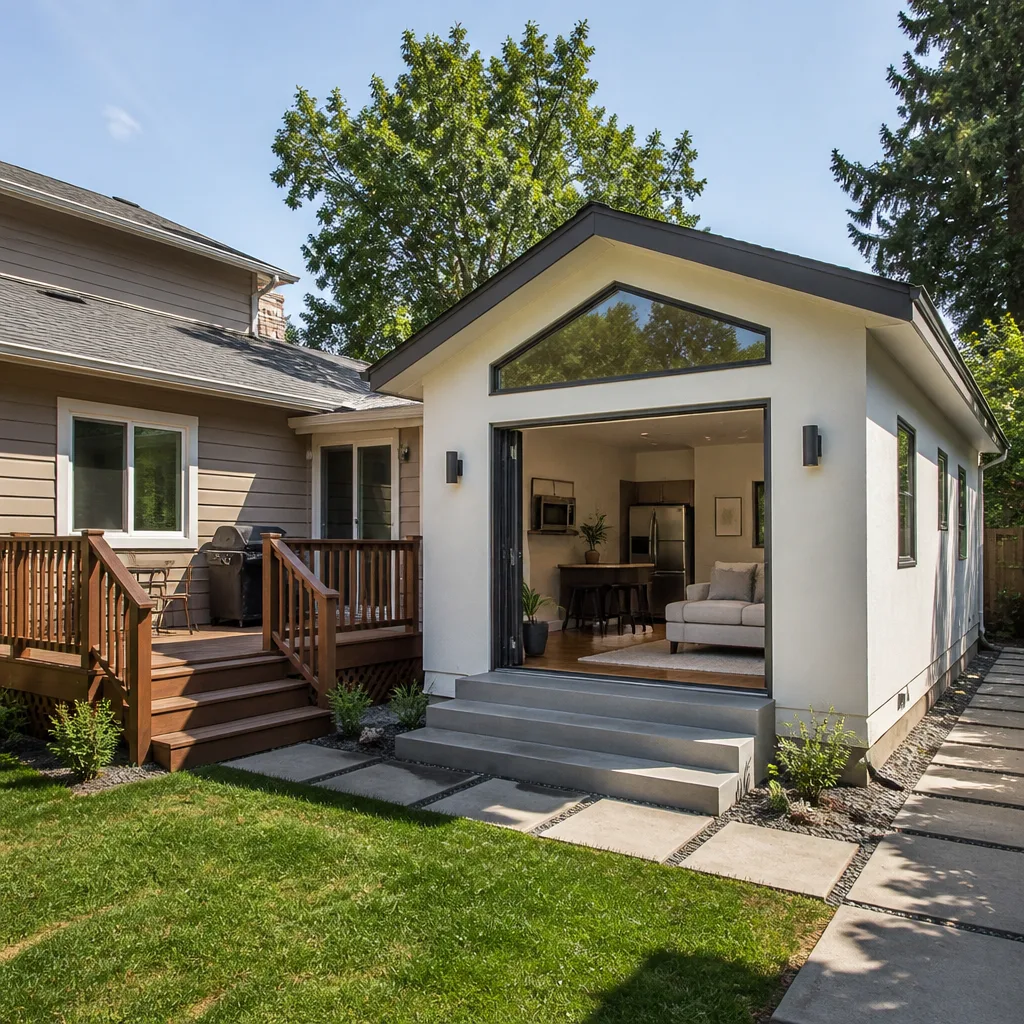 Home additions & ADU
 Roofing
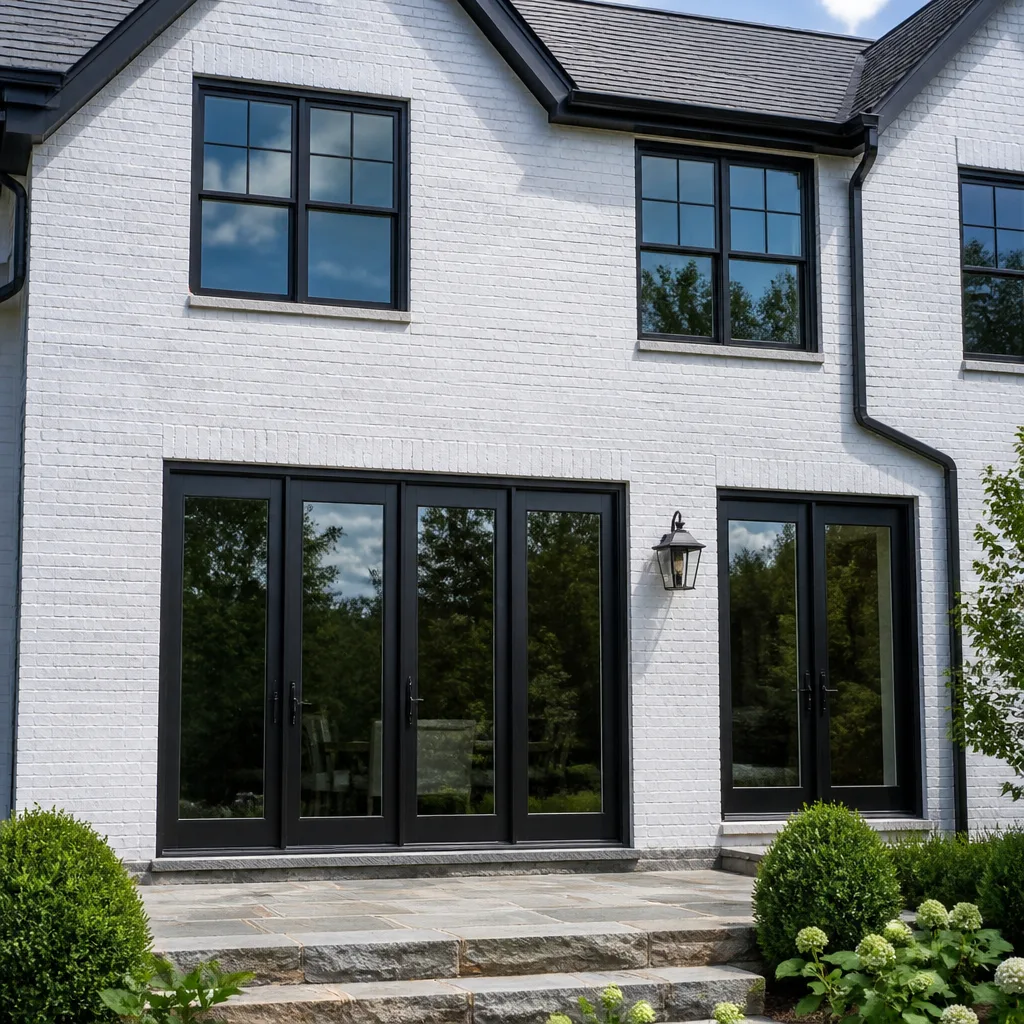 Windows & doors
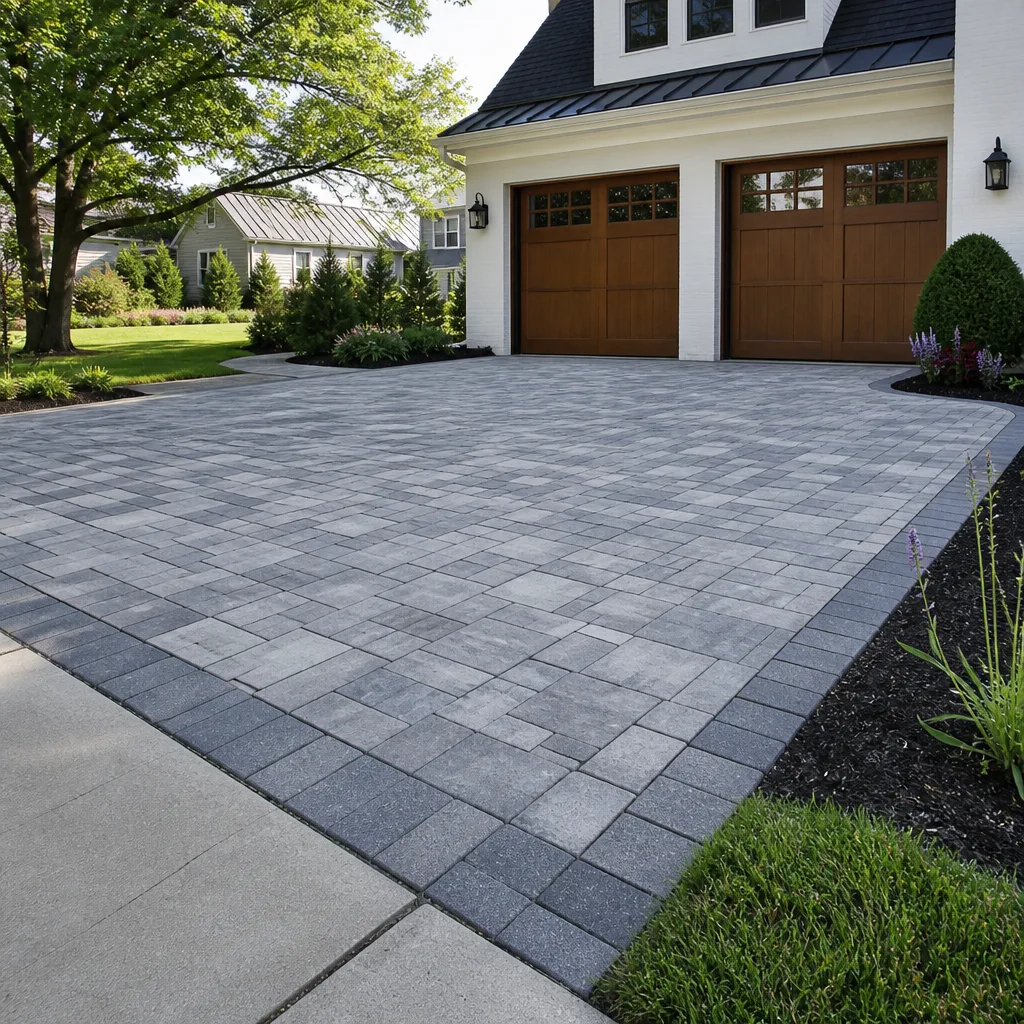 Driveway & pavers
 Fence
Free written scope consultation - allowances, timeline, and change-order rules on paper before a single trade is scheduled
Construction Permits, Codes & Inspections in Frisco, TX: What You Need to Know
Most homeowners assume a building permit is a formality, a fee paid to the city so a project can start. In Frisco, it’s something else: a set of local rules adopted on top of the state code, with specific amendments that govern how deep a footing sits, how close a structure can get to a property line, and what a fence is allowed to look like along the street. The trap isn’t the city being difficult. It’s that a contractor working from a neighboring city’s template, or from memory of how Plano or McKinney does it, can pull a permit that’s technically valid and still fail inspection. This guide walks through how Frisco’s permitting and inspection system actually works, which projects need approval, how HOA review fits in, and what to do if work was already started without a permit.
Quick Answer
In Frisco, TX, construction permits are issued by the city’s Development Services department, which enforces local amendments layered on top of the International Residential Code and International Building Code. Any project that alters a structure’s footprint, electrical, plumbing, mechanical or structural systems, or adds accessory structures like fences, decks and sheds requires a permit and a sequence of inspections before the work can be closed out. work that skips the permit process can be retroactively permitted, but a Certificate of Occupancy or final inspection may be withheld until the work is inspected and documented, and unpermitted work often surfaces during a resale inspection.
Styles & brands we work with
- Kitchen remodeling
- Bathroom remodeling
- Home additions & ADU
- Roofing
- Windows & doors
- Driveway & pavers
- Fence
Table of Contents
- How Frisco’s adopted code differs from the base IBC and IRC
- Which Frisco projects always need a permit (and which ones get skipped)
- HOA review versus city permit: which comes first
- How the inspection hold point system works
- What happens if work is done without a permit
- How to choose a contractor who knows Frisco’s rules
- Common mistakes to avoid
- Frequently asked questions
How Frisco’s adopted code differs from the base IBC and IRC
Texas is a local-control state for building codes. There’s no statewide building code, so every city adopts its own version of the International Residential Code and International Building Code, then tacks on amendments specific to its soil, climate, drainage, and development patterns. Frisco is one of the more active cities in North Texas in this regard. The city publishes a formal list of local amendments it applies to the base code, and those amendments change what passes inspection.
The differences tend to cluster in a handful of areas:
- Foundation and footing requirements. Frisco soils have a high clay content that moves with moisture, so the city’s footing depth and reinforcement standards are often more conservative than the base code. A footing that passes in a sandy-soil city may not pass in Frisco.
- Drainage and grading. The area’s heavy spring and fall rain events mean the city enforces lot grading and drainage standards more tightly than base IRC. Projects that add a footprint (additions, ADUs, detached garages) typically trigger a drainage review.
- Setback and lot coverage. Frisco’s zoning ordinance defines setbacks and lot coverage, and a structure that respects base code but violates the local zoning line gets red-tagged. This applies to fences, sheds, pergolas and detached structures.
- Wind and roof sheathing. Frisco sits in an area with high design wind speeds. Sheathing attachment, roof-to-wall connections and fastener schedules in some cases exceed base code, and inspectors check them.
- Energy and insulation. The city follows the energy code cycle it has adopted, which affects window ratings, insulation values and HVAC sizing on remodels.
Here’s the practical problem. If you’re adding a room or building an ADU, your contractor’s estimating template may be built on base code or a neighboring city’s template. The home additions & ADU process is the most common place we see that gap bite a project, because it combines foundation, structural, energy and zoning reviews in a single permit. A contractor who knows Frisco will design to the local amendments from the start. One who doesn’t will design to base code, submit, get plan-review corrections back, and eat two to four weeks reworking the plans.
Which Frisco projects always need a permit (and which ones get skipped)
The single most common misunderstanding is what counts as “minor enough” to skip the permit. In Frisco, the answer is narrower than most homeowners expect. A permit is required when the project involves structural work, electrical, plumbing or mechanical systems, changes to a structure’s footprint, or the addition of an accessory structure that the zoning code measures against lot coverage and setback.
Here’s the practical breakdown of projects that do need a permit in Frisco:
- Fence installation or replacement. Yes, fences need a permit. The city reviews height, placement relative to the property line and, in front-yard or corner-lot cases, sight lines for traffic. Fence height rules also vary by neighborhood, and replacement fences must match the approved location. Our fence installation process always starts with a permit review for this reason.
- Water heater replacement. Common surprise. Swapping a water heater is a plumbing permit job in Frisco because it involves gas or electrical connections, pressure relief and venting.
- Accessory structures. Sheds, detached garages, pergolas, covered patios and gazebos above certain size thresholds need permits. Anything that requires a foundation or electrical feed almost always needs one.
- Decks, porches and patio covers. Footing depth, attachment to the house and railing height are all inspected.
- Roof replacements. A full re-roof needs a permit and inspection; a small repair generally does not. Roofing underlayment, flashing and sheathing attachment are checked. Our Construction Frisco roofing process pulls a permit on every full replacement for exactly this reason.
- Driveway, paver and hardscape work that touches the right-of-way. A driveway apron crossing the curb or sidewalk needs a right-of-way permit. Our driveway & pavers work is scoped around this requirement.
- Kitchen and bathroom remodels. Structural changes, plumbing relocation, electrical work and mechanical work all trigger permits. Cosmetic finish changes like paint or tile in place generally do not.
- Additions, ADUs and conversions. Anything that adds living space, including garage conversions.
Projects that usually don’t need a permit: painting, flooring over existing subfloor, exchanging a faucet, swapping a light fixture of the same type, replacing cabinet doors and drawer fronts, and other finish-level work that doesn’t touch a system or a structure. When in doubt, call Frisco’s Development Services and ask. The call is free; the correction after a code officer visits isn’t.
HOA review versus city permit: which comes first
Frisco has a high proportion of deed-restricted neighborhoods with active HOAs, so it’s common for a project to need two approvals, not one. Homeowners often assume the city permit is the real hurdle and the HOA is a rubber stamp. The reverse is closer to the truth: get the HOA architectural review first, then pull the city permit.
The reason is practical. If the city approves a permit for a structure the HOA’s architectural committee then rejects on setback, color or style grounds, you’ve paid for a permit you can’t use, drawn plans you have to revise and delayed the project by weeks. HOA review is generally faster and cheaper than a permit revision, so running it first filters out bad designs before you’ve committed design dollars.
What to check with your HOA before you even call a contractor:
- Whether the project needs formal architectural committee approval, and the typical turnaround.
- Fence style, height and material restrictions. Many Frisco HOAs restrict fence material and color, and some restrict the percentage of a lot that can be fenced.
- Roof material and color restrictions. Some neighborhoods specify an approved shingle style, which can conflict with the cheapest roofing option for the house.
- Setback and lot coverage rules that are stricter than the city’s.
- Whether the HOA requires a copy of the city permit as part of its own approval packet.
A contractor who regularly works in Frisco can usually tell you which neighborhoods have which restrictions on sight. That’s not a substitute for reading your HOA’s CCRs, but it saves a call if the contractor can flag a problem before you submit.
How the inspection hold point system works
A permit is not one inspection. It’s a sequence. Each stage of a project has a “hold point” that has to be inspected and signed off before the next stage can proceed. Understanding the sequence matters because getting it out of order is the most expensive kind of mistake you can make, and it’s the one that hides for years.
Here’s how the typical residential sequence works in Frisco:
- Pre-pour or foundation inspection. For additions, decks, driveways and detached structures, the footing trenches, reinforcement, form boards and any required soil or engineer documentation are inspected before concrete goes in. Pour without it and the inspection can’t happen – the evidence is buried.
- Rough-in inspections. After framing, plumbing, electrical and mechanical are installed but before walls are closed with insulation or drywall, the inspector checks the work in the open. This includes checking pipe sizing, drain slope, venting, wire gauge, box fill, grounding, gas piping and HVAC duct routing. This is one inspection per discipline and they can usually be scheduled together.
- Framing inspection. Structural framing, shear bracing, roof-to-wall attachments and sheathing nailing are checked with the walls still open.
- Insulation inspection. After insulation is installed and before drywall goes up.
- Final inspection. After all work is complete. For some projects, this also includes a separate building, electrical, plumbing or mechanical final, and the whole permit isn’t closed until every final passes.
Here’s the part that catches homeowners years later. If your contractor closes the walls before the rough-in is approved, the inspector can’t see the work and the permit can’t be closed. That creates a “final not obtained” status on the property, and in Frisco it means:
- You can’t get a Certificate of Occupancy for new living space.
- A title company may flag the open permit during a resale search.
- Some insurers and lenders refuse to close on a property with an open building permit.
- You may need to open the wall (or a portion of it) to get the inspection signed off, which costs real money.
This is not a theoretical risk. We’ve worked through the retroactive process on homes where a wall was closed before inspection, and the cost of reopening and re-closing it is always five to ten times the cost of waiting for the inspection to pass.
What happens if work is done without a permit
Frisco is not a “forgive and forget” city on unpermitted work. The city has a process for retroactively permitting work that was done without approval, and it can work, but it’s slower and more expensive than doing it correctly the first time. It also happens at the worst moment: when the work is discovered, usually during a resale inspection, a neighbor complaint or a code officer visit.
Here’s the sequence when the city finds unpermitted work:
- Notice and stop-work. The city issues a written notice, and depending on the situation a stop-work order on the project. The homeowner is on the record as the responsible party, even if the contractor walked away.
- Retroactive permit application. You or your contractor files a new permit, describes the existing work and submits drawings or documentation of what was built. Not all of it can be verified if it’s behind drywall.
- Exposure of concealed work. Any work that was covered by drywall, siding, tile or concrete may need to be opened enough for inspection. This is the highest-cost step. A finished bathroom with unpermitted plumbing and electrical behind the tile is the worst case.
- Correction and reinspection. Whatever doesn’t meet code has to be brought into compliance. Usually this means re-doing part of the work.
- Additional fees. A retroactive permit usually runs higher than a standard permit, and in some cases the city applies additional enforcement fees on top. Plan on more than the original permit would have cost.
- Final inspection and Certificate of Occupancy. Only after the work passes inspection can the permit be closed and, where applicable, a CO or final sign-off issued.
For a resale, all of this becomes public record through the city’s permit history. If you’ve already gone to contract, the buyer’s lender may refuse to close until the permit is closed. It’s not unusual for sellers to take a credit or reduce the price to move a deal forward. The cost of permitting it up front is negligible next to that.
How to choose a contractor who knows Frisco’s rules
The difference between a smooth project and a stalled one usually isn’t the quality of the work. It’s whether the contractor knows the specific requirements of the city where the work is happening. Here’s what to ask before you sign anything in Frisco:
- “Where will you pull the permit?” The answer should be Frisco’s Development Services. If your contractor says they’ll pull it in a neighboring city, or that a permit isn’t needed, that’s the conversation to end.
- “Have you pulled this specific permit in Frisco before?” Experience with the exact project type matters, not just general permits.
- “What does the inspection sequence look like?” A good contractor can name the hold points and tell you what triggers each inspection.
- “Who is listed as the contractor of record?” It should be the company doing the work, not a sub you’ve never met.
- “How do you handle HOA review?” They should be able to walk through the sequence and tell you whether HOA approval comes before the permit, which it usually should.
- “If the city issues corrections, who pays for the plan revisions?” The answer should be the contractor, not you. Get it in writing.
Construction Frisco handles the full scope of a project across seven trades, from roofing and fence installation through kitchen and bath work, additions and ADUs and driveways. That matters in a permit sense because a multi-trade project usually involves a combined permit with multiple inspection categories, and coordinating one contractor across all of them is a lot simpler than coordinating four. Our technicians have up to 11 years of experience, and we plan the permit sequence before the first material is ordered, not after the first correction.
On material selection, we work with more than 50 manufacturer brands across the trades we handle, including Belgard and Techo-Bloc for hardscape, plus GAF, CertainTeed and Owens Corning for roofing. Materials and the permit package go together, because the city’s energy and structural reviews often come down to what’s specified on the plan.
Common Mistakes to Avoid
- Assuming fence work is exempt. In Frisco, fence replacement generally needs a permit, and height, location and sight lines are reviewed. A fence built without one can be flagged by a code officer during a routine drive-through.
- Pulling the permit before HOA review. If the HOA rejects the design, the permit fee is wasted and the plans have to be revised and resubmitted. Run the architectural review first.
- Designing to base code instead of Frisco’s amendments. A plan that passes base IRC may fail local footing, drainage or wind requirements on the first review. Design to the local amendments from the beginning.
- Closing walls before rough-in sign-off. The single most common way projects get stuck. Once it’s covered, the inspector can’t approve it, and opening the wall costs far more than the extra day of waiting.
- Skipping the permit on water heater replacement. Homeowners frequently assume it’s like swapping a light fixture. It involves plumbing and either gas or electrical, and Frisco generally requires it.
- Relying on a neighboring city’s template. McKinney, Plano and Frisco each have their own adopted amendments. A plan template built for one city often fails local review in another.
- Not keeping permit paperwork for resale. The city’s permit history is public, and the buyer’s agent will check. Keeping copies of the permit, final inspection record and Certificate of Occupancy in your home file saves a lot of scrambling at closing.
See the difference
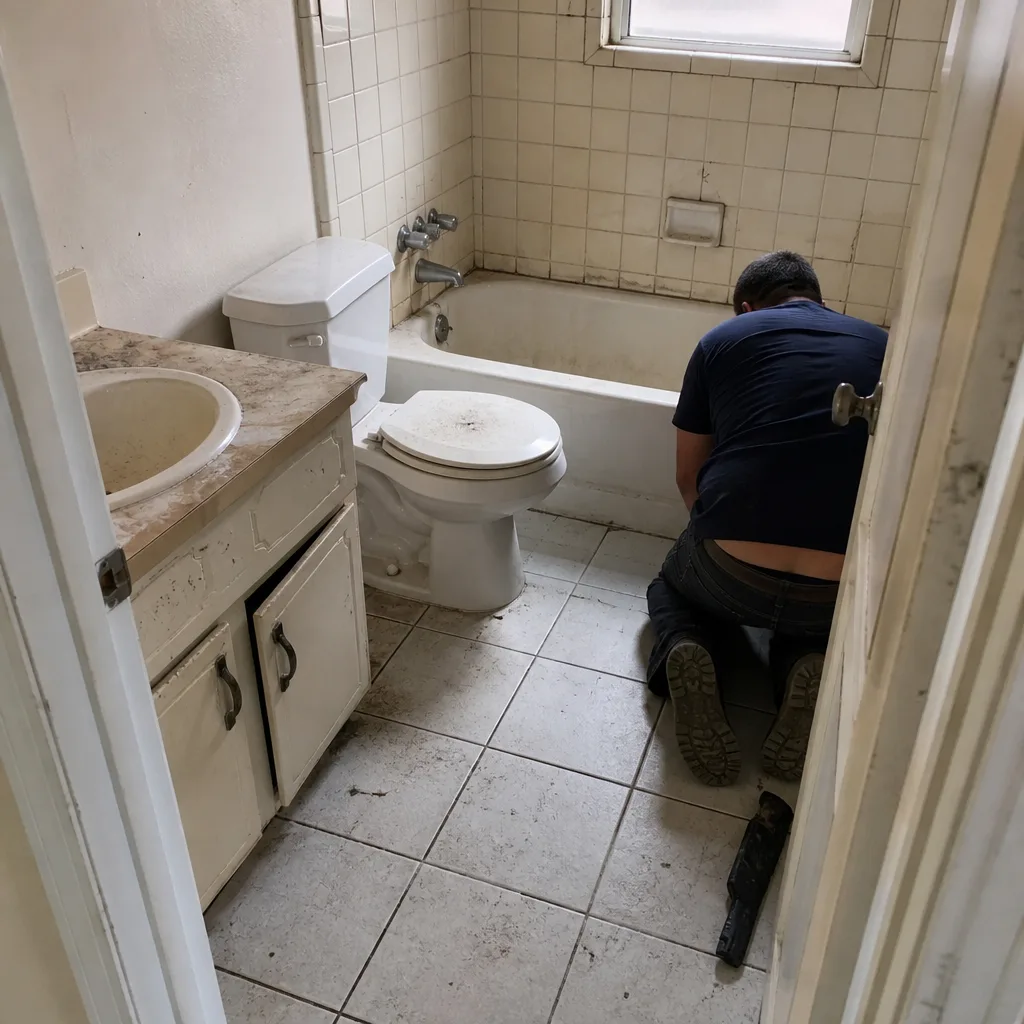 Before
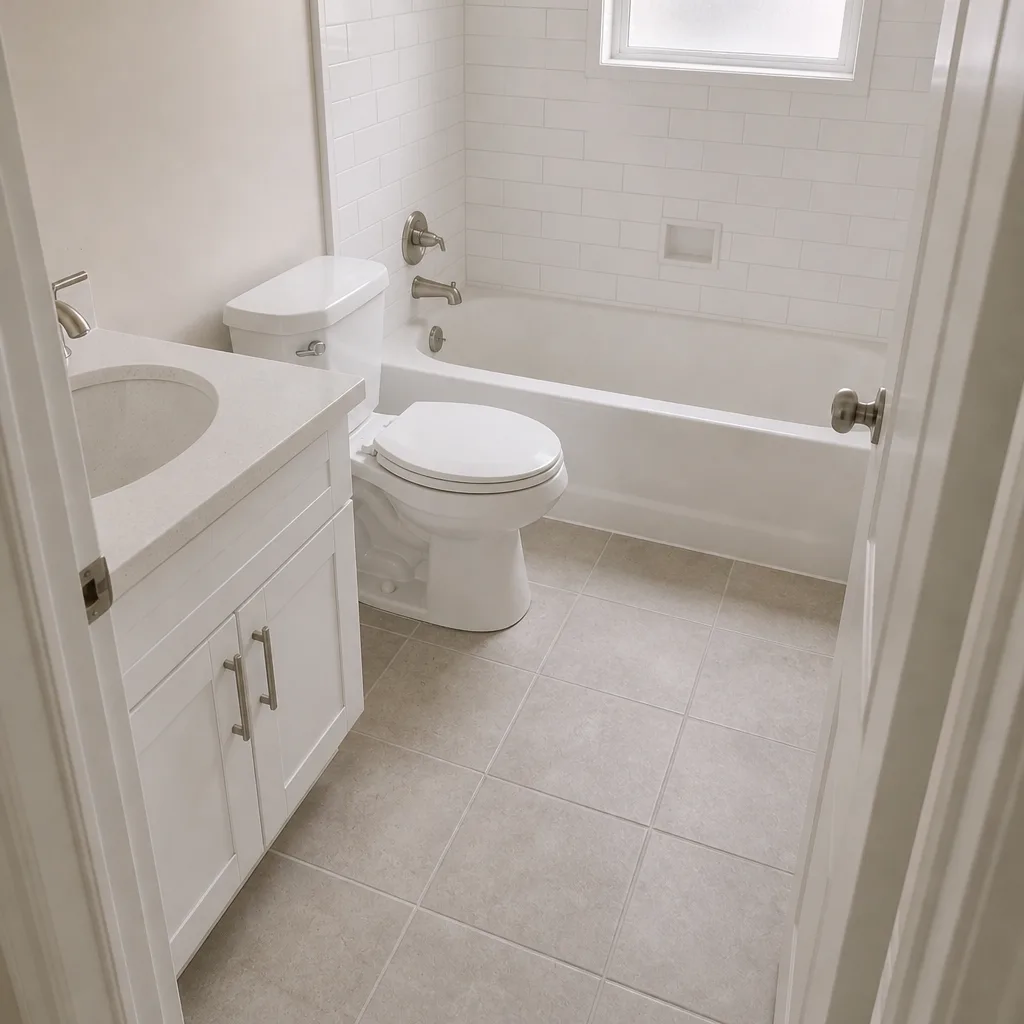 After
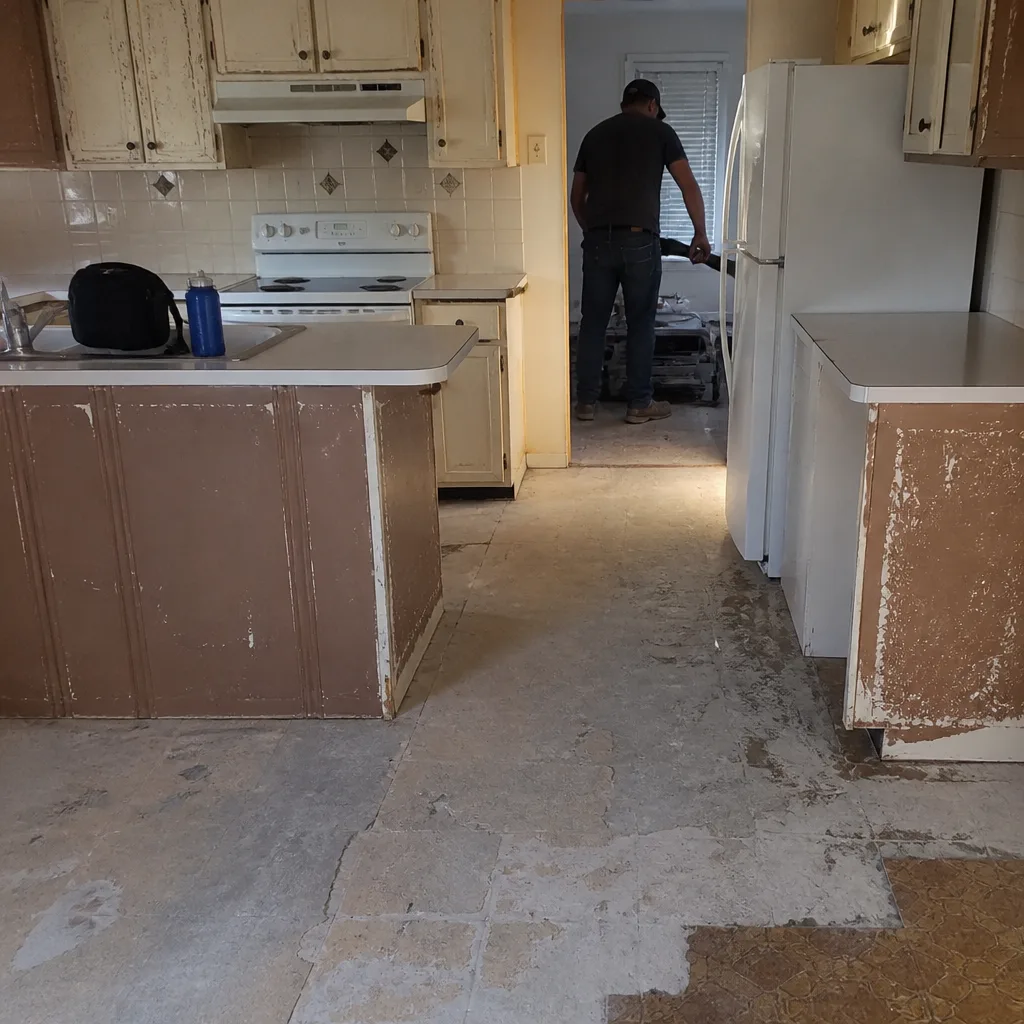 Before
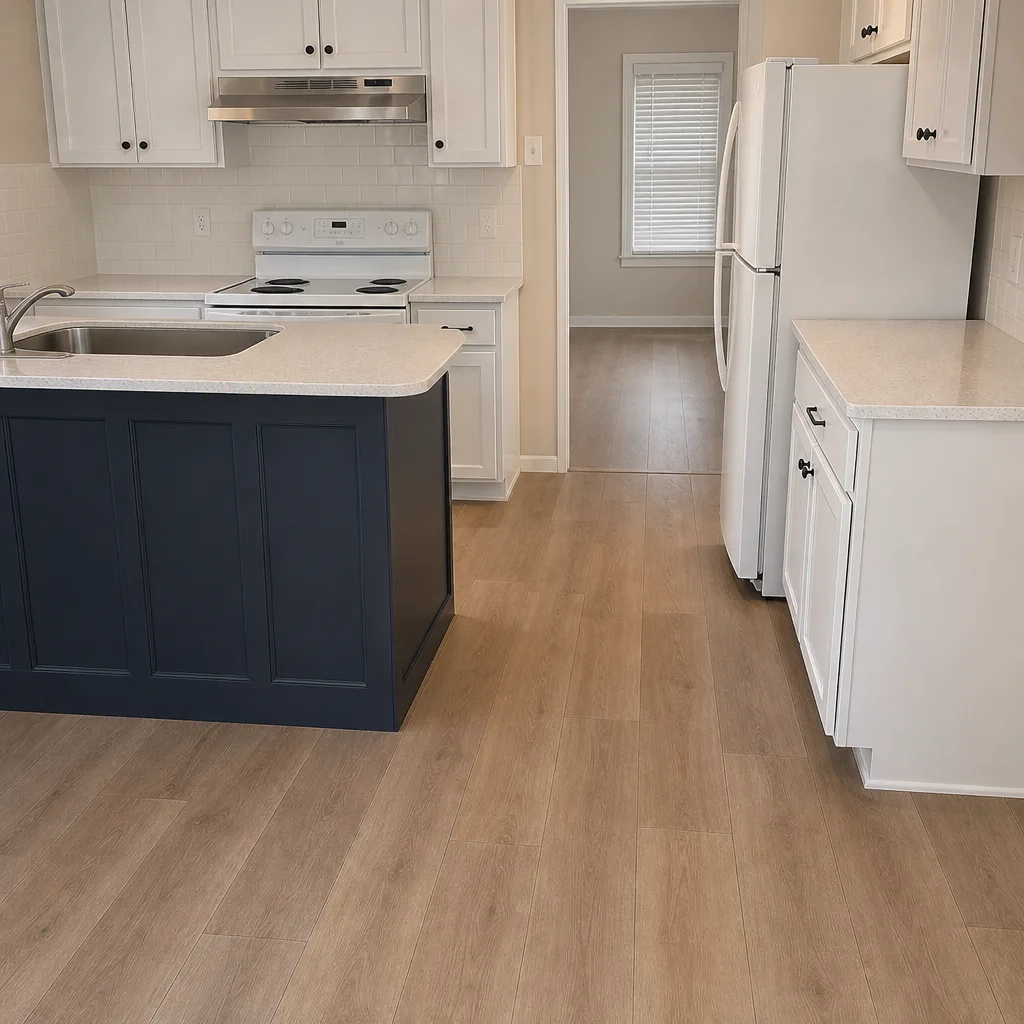 After
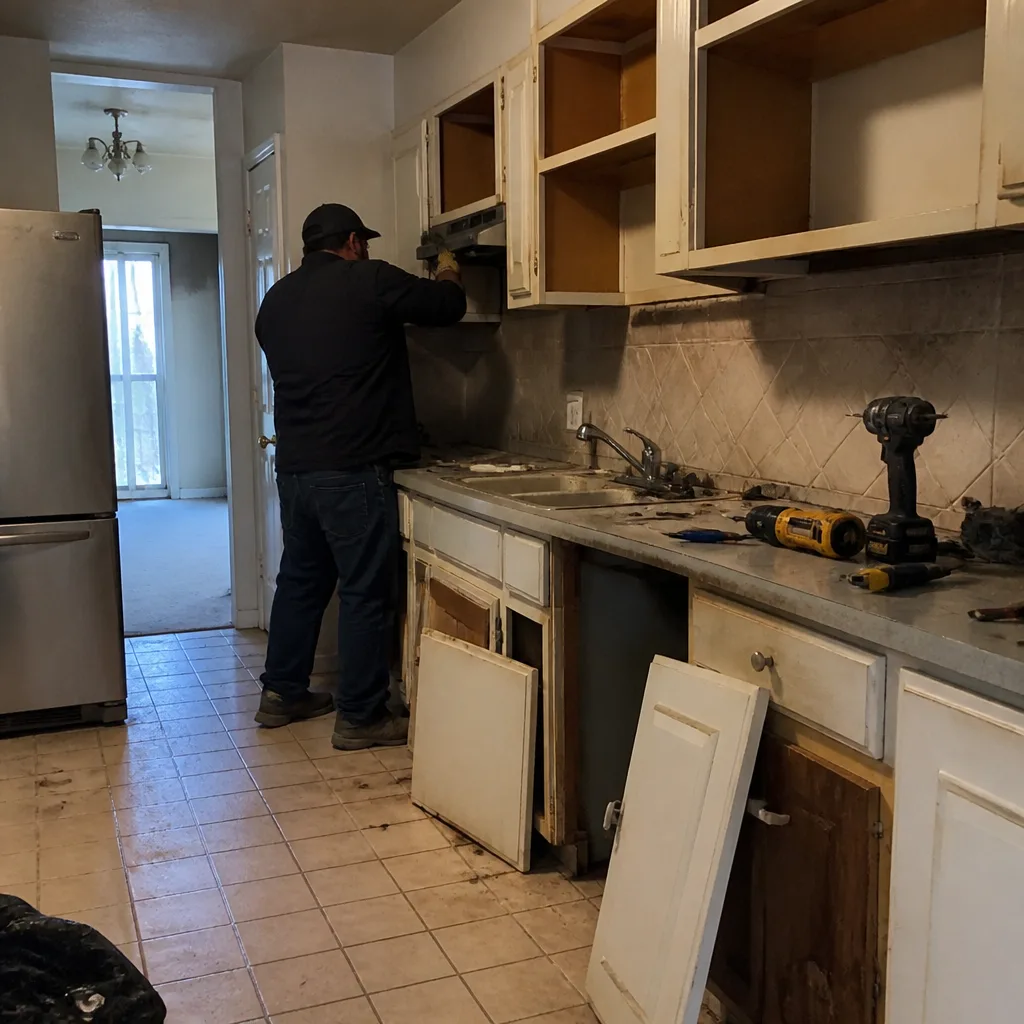 Before
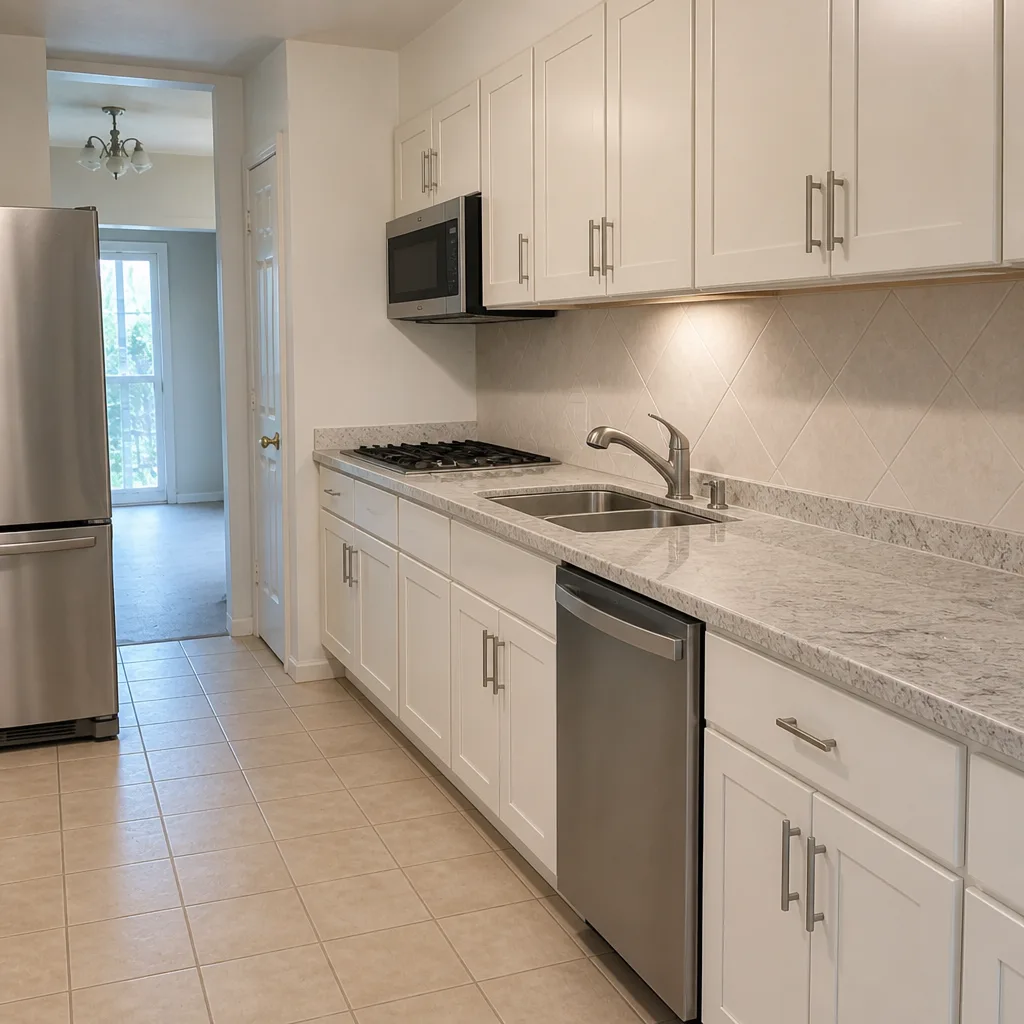 After
When to Call a Professional
Some permit questions are answerable with a phone call to the city. Others need a contractor who has walked through the process many times. Call us when the project involves any of the following: a structural change or addition, a project that mixes multiple trades (roofing plus windows, or a kitchen plus a fence plus a driveway), a home where a permit status is unclear from the previous owner, or a resale or refinance that turned up an open permit. Call us when the project is large enough that you don’t want to coordinate three contractors and three permit applications. Call us when the HOA and city requirements need to be sequenced correctly. Construction Frisco offers free estimates in Frisco – call (833) 620-7367. We answer 24/7. Fast dispatch from 7am to 7pm, Sunday through Friday.
Frequently Asked Questions
In most cases, yes. Frisco generally requires a permit for fence installation or replacement, and the review covers height, setback from the property line and, on corner lots or front yards, sight lines for traffic. HOA rules may also restrict material, color and height, so check both before ordering materials. Call (833) 620-7367 for a free estimate on a permitted fence project.
Yes, water heater replacement is generally treated as a permitted plumbing job in Frisco because it involves plumbing, and either gas or electrical work, plus pressure relief and venting. It’s one of the most common permit items homeowners skip by mistake. Call (833) 620-7367 to talk through your project – estimates are free.
HOA architectural review should come first. The HOA can reject a design on style, color or setback grounds that the city would have approved, so running HOA review first stops a project from paying for a permit it can’t use. Once the HOA signs off, you file the permit application with Frisco’s Development Services. Call (833) 620-7367 for help sequencing a project.
The city has a retroactive permit process, but it usually requires opening covered work for inspection, bringing any non-compliant work into compliance, and paying fees that typically exceed what the original permit would have cost. A final inspection and Certificate of Occupancy can’t be issued until the retroactive work is signed off. Call (833) 620-7367 to get an assessment before the city finds it first.
Not until the inspection happens. Frisco won’t issue a final or Certificate of Occupancy on an addition where the rough-in inspection was skipped, because the inspector can’t verify work hidden behind drywall. In practice, that means opening part of the wall to inspect it, correcting anything non-compliant and scheduling a reinspection. Call (833) 620-7367 for an estimate on getting an open permit closed.
It depends heavily on the project type. Simple permits (a water heater, a fence) move through review quickly, while additions, ADUs and structural remodels go through plan review, which can take weeks and may come back with corrections that need to be addressed before the permit is issued. The fastest path is a complete, locally compliant submittal the first time. Call (833) 620-7367 for a free estimate that includes the permit plan.
The Bottom Line
Frisco’s permit system isn’t complicated once you understand its logic: local amendments on top of base code, a dual-approval path when HOA rules apply, a hold-point inspection sequence, and a real cost to skipping any of it. The homeowners who have smooth projects aren’t the lucky ones, they’re the ones who planned the permit sequence first. Pull the permit, get the HOA review before the city filing, wait for rough-in sign-off before closing walls and keep the paperwork for resale. Do that and the code process becomes a checklist. Skip it and it becomes a resale problem years later. Call (833) 620-7367 to talk through the permit plan for your project – we answer 24/7, and estimates are free.
Written by the team at Construction Frisco.