
Last updated November 17, 2026
 Kitchen remodeling
 Bathroom remodeling
 Home additions & ADU
 Roofing
 Windows & doors
 Driveway & pavers
 Fence
Free written scope consultation - allowances, timeline, and change-order rules on paper before a single trade is scheduled
How to Hire a Construction Contractor in Frisco: A Step-by-Step Guide
The assumption most homeowners carry into a contractor search is that the hard part is finding someone good. In our experience across Frisco projects, the harder part is finding someone whose license and insurance actually cover the work they’re proposing. High demand, layered HOA rules, and a crowded field of specialty-only subcontractors who market themselves as general contractors make Frisco a market where verification beats reputation. This guide walks through the exact vetting steps, the contract clauses that protect you, and the red flags we see here specifically – so you sign with confidence.
Quick Answer
To hire a construction contractor in Frisco, verify their TDLR registration and any trade-specific licenses through the state’s online lookup, confirm they carry both general liability insurance and workers’ compensation, insist on a site visit before any bid, and structure payments around passed inspections rather than calendar dates. Require the contract to name who pulls permits and to include an HOA approval contingency, and never accept a quote that doesn’t itemize materials by brand and grade.
Styles & brands we work with
- Kitchen remodeling
- Bathroom remodeling
- Home additions & ADU
- Roofing
- Windows & doors
- Driveway & pavers
- Fence
Table of Contents
- Step 1: Verify TDLR Registration and Trade Licenses
- Step 2: Confirm Liability Insurance and Workers’ Comp
- Step 3: Insist on a Site Visit Before Any Bid
- Step 4: Get the Right Contract Clauses in Writing
- Step 5: Tie Payments to Inspection Milestones
- Frisco-Specific Red Flags to Watch For
- Why Brand-and-Grade Itemization Matters
- When One Contractor Beats Several Specialists
Step 1: Verify TDLR Registration and Trade Licenses
Texas doesn’t license general contractors statewide, but that doesn’t mean there’s nothing to check. The Texas Department of Licensing and Regulation (TDLR) regulates specific trades, and a contractor doing work outside their licensed scope is a problem you want to find before signing, not after. The most common complaint filed with the Texas State Board of Plumbing Examiners and TDLR isn’t shoddy work. It’s contractors who took on scope they weren’t licensed for. In a city growing as fast as Frisco, knowing the difference before you sign is the whole game.
Here’s the actual lookup process, step by step:
- Go to the TDLR website and open the license search tool. Enter the contractor’s company name and, if they’ve given you one, their individual license number.
- Check the license status shows “Active” and confirm the expiration date falls well after your project’s expected completion.
- Read the license type and scope. Air conditioning and refrigeration, electrical, plumbing, boiler, and elevator work each fall under TDLR with their own license classes. Confirm the license covers what you’re hiring them for.
- For plumbing specifically, cross-check with the Texas State Board of Plumbing Examiners, which maintains its own searchable database separate from TDLR’s general one.
- Ask the contractor to send you their license number in writing before the first bid meeting. If they can’t produce it quickly, that tells you something.
Work that requires a permit in Frisco will generally require a licensed trade to pull it. When a contractor claims they’re “fully licensed” for everything, ask them to list which licenses they hold and under which agency. Vague answers are a signal. A contractor who actually holds trade licenses will name them without hesitation.
What About Roofing and Remodeling?
Roofing and general remodeling don’t carry a standalone state contractor license in Texas the way plumbing or electrical do, which is exactly why insurance verification matters even more for those trades. For Construction Frisco projects that span multiple trades, the permit-pulling entity on the contract needs to be the one legally responsible for that scope. Get the answer in writing.
Step 2: Confirm Liability Insurance and Workers’ Comp
Two separate insurance policies matter, and most homeowners don’t ask about both. General liability insurance covers damage to your property if the contractor’s work causes it. Workers’ compensation covers injuries to the people working on your home. These are not the same thing, and one policy doesn’t cover the other’s risk.
Here’s why this distinction gets complicated in Frisco specifically. When you hire a single contractor for a whole project, that contractor is responsible for having both policies in place and for their subs being covered. When you hire three specialists separately, you have to verify insurance three separate times, and any gap in coverage becomes your problem. That’s a real difference in risk, and it’s one reason we’ve seen homeowners get hurt by stitching together multiple small contracts.
What to ask for:
- A current certificate of insurance (COI) listing general liability coverage, with your address as the named insured for the project.
- A separate certificate for workers’ compensation, or a written statement that the contractor is currently exempt (Texas allows some very small operations to opt out).
- The name and contact number of their insurance agent, so you can call the agent directly to verify the certificate isn’t expired or forged. This step takes two minutes and closes a real loophole.
- Confirmation that any subcontractors they plan to bring on will also be covered by name, in writing.
Insured and bonded isn’t a sticker you can trust blindly. Ask for the paper, and verify it. A licensed and insured contractor will hand over documents without friction.
Step 3: Insist on a Site Visit Before Any Bid
A contractor who quotes a project without walking your home is quoting a template, not your job. This is the single most reliable red flag we see in the Frisco market. Demand is high here, and some crews are running so many bids that they’ve stopped visiting sites at all. They’ll pull similar job specs from their last project, adjust the total by a percentage, and send it over.
Why it matters for you: a template bid misses the things that change the actual scope. Age and condition of what’s under the surface, the exact dimensions of the space, the site access, the slope of the lot for a driveway or paver project, the number of window openings that will need framing attention. Those details are where cost surprises come from.
Look for these signals during the site visit:
- The contractor takes measurements and photographs, not just notes.
- They ask about HOA rules and the specific architectural review committee for your neighborhood before they’ve seen the plans. In Frisco’s planned communities, this matters for visible exterior changes.
- They walk the full scope with you and point out anything they see that would need extra attention.
- They flag what they’re not sure about and propose how to find out (e.g., opening a wall or getting a structural review) rather than guessing.
- They don’t rush. A proper site visit takes time, and a contractor who cares about getting the bid right will use it.
If a quote arrives without a site visit, ask why. There are legitimate answers (for pure material-supply work, for example), but for a general contracting project, there’s no good excuse.
Step 4: Get the Right Contract Clauses in Writing
Frisco has its own contract realities that generic contractor contracts don’t address. Here are the clauses we tell homeowners to insist on before signing.
HOA Approval Contingency
If your home sits in a planned community with design review requirements, include a contingency clause: the project is contingent on architectural review committee approval of the proposed design, materials, and colors. Without this clause, you could sign the contract, then get denied by the HOA, and be on the hook for cancellation costs or redraw fees. Ask the contractor to provide the drawings and material specs the HOA committee will need. Some will do this as part of their service; ask directly.
Permit-Pull Responsibility
The contract should name explicitly who is responsible for pulling permits and scheduling inspections. If the contractor says “we’ll handle it,” get that in writing with their TDLR or trade license number. In Texas, there’s an important distinction between the general contractor and a licensed trade doing the actual permitted work. For projects that need electrical, plumbing, or mechanical permits, the licensed trade often needs to pull the permit themselves, and your contract should reflect that chain of responsibility.
Inspection Hold Points
Require the contract to list the specific inspection milestones (foundation, framing, rough-in, final) and specify that work will not proceed past a failed inspection without the contractor paying to correct it. This ties into payment as well, which we’ll cover next.
Change Order Process
Include a written change order process with a defined approval step and a signature requirement. The best contracts specify that no change in scope happens without a written change order signed by you. Fixed pricing holds for the original scope, and any addition is priced separately and approved before work begins.
Written Line-Item Estimate
The final contract should reference the written line-item estimate you received, so the scope is defined and tied to specific materials and brands. This is the document that protects you when a materials substitution question comes up mid-project.
Step 5: Tie Payments to Inspection Milestones
Here’s the method that protects you most: structure the payment schedule around inspections passed, not calendar dates. When payments are tied to calendar milestones, a schedule slip means the contractor has your money without having delivered the work. When payments are tied to inspection milestones, your money and their work stay in sync.
A common milestone structure:
- Deposit or mobilization payment at contract signing (industry-typical, often a percentage of contract value).
- Payment at rough framing inspection passed.
- Payment at rough-in (electrical, plumbing, mechanical) inspection passed.
- Payment at drywall and finish-inspection milestones, as defined in the contract.
- Payment at final inspection passed.
- Final payment at written certificate of substantial completion, plus a punch-list walkthrough and inspection.
The specific percentages and breakdown depend on the project type, and any contractor’s standard schedule should be negotiable. One common pattern is 10% deposit, 30% at rough-in, 30% at rough framing, 20% at substantial completion, 10% retained until punch list closeout. That’s not universal; it’s a structure that keeps cash flow and accountability in line. If a contractor insists on a large upfront payment (say, 50%+), ask why and get it in writing. Upfront-heavy schedules are the single most common source of disputes in Texas.
Retainage
Retainage is the portion of the contract held back until final acceptance. It’s normal on larger projects and worth discussing. A typical retainage of 5-10% of the contract value held until final inspection is a standard industry practice, and it gives you negotiating leverage if there’s a punch list at the end.
Frisco-Specific Red Flags to Watch For
Some red flags are universal. These are the ones that show up specifically in the Frisco construction market.
- Quotes without a site visit. Covered above, but it bears repeating because it’s the most common failure mode in high-demand markets like Frisco’s.
- Bids that don’t itemize by brand and grade. A bid that says “wood cabinets” or “composite decking” without specifying the manufacturer, series, and grade is a bid you can’t compare to another bid. Demand brand names (GAF, CertainTeed, Owens Corning for roofing; KraftMaid or Wellborn for cabinetry; Cambria, Silestone, or Caesarstone for surfaces) so you’re comparing apples to apples.
- Specialty subs presenting as general contractors. A skilled roofer or window installer who’s never managed a multi-trade project will struggle to coordinate framing, plumbing, electrical, and finish work on a remodel. Ask about trade scope: if they can’t name a licensed plumber or electrician they’ll coordinate with, they’re a specialist, not a GC.
- No physical Frisco or DFW-area references. A contractor who can’t give you recent Frisco-area addresses to tour with permission, or who deflects when you ask to see an active project, is a contractor who hasn’t worked here recently.
- You become the permit-puller. If the contract says “owner will obtain all permits,” that’s a red flag on a general contracting project. The contractor is the one with the license and the standing relationship with the city, and they should pull the permits.
- Inconsistent insurance claims. “Fully insured” without paperwork, or a COI that lists a different company name than the one on the contract, is a stop sign. Ask for the certificate and verify it with the agent.
- Pressure to sign today. Any contractor who rushes you to sign because “the price is only good today” is using a sales tactic, not a construction process.
Why Brand-and-Grade Itemization Matters
The difference between two options in the material world can be significant, both in cost and in lifespan. A roof that gets a certain manufacturer’s entry-level shingle versus a comparable product from the same manufacturer’s premium line has different warranty terms and different installation requirements. Two countertops from the same brand catalog can be engineered stone versus natural quartz at different thicknesses. Without brand and grade on the bid, you cannot know what you’re buying.
What good itemization looks like:
- Roofing: Name the manufacturer (GAF, CertainTeed, Owens Corning, IKO, Atlas, Tamko, Boral), the specific shingle line, and the underlayment and ventilation specifications.
- Cabinetry: Name the brand (KraftMaid, Wellborn is our range) and the door style plus construction type (framed vs. frameless, all-plywood vs. particleboard boxes).
- Countertops: Name the brand (Cambria, Silestone, Caesarstone) and the specific color and edge profile.
- Fixtures: Name the model from Kohler, Moen, Delta, Grohe, Toto, or American Standard, not just “premium faucet.”
- Windows and doors: Name the manufacturer (PGT, CGI, Therma-Tru, or ECO Window Systems) and the product line, plus the glazing specification and hardware.
- Hardscaping and pavers: Name the brand (Belgard, Unilock, Techo-Bloc, Cambridge Pavers, or Tremron) and the paver series and color.
- Siding and waterproofing: Name the system (James Hardie fiber cement siding, Schluter waterproofing systems, for example) and the specific product within the line.
In our experience, the contractors who itemize this thoroughly are also the ones who source from vetted manufacturer relationships, which means you’re not paying them to guess. Construction Frisco works from a portfolio of more than 50 manufacturer brands across roofing, cabinetry, countertops, fixtures, windows, fencing, and hardscaping, and we spec the brand to the job rather than the other way around. When you’re comparing bids, use this itemization standard as your benchmark.
The Multi-Trade Advantage
When a single contractor holds the full scope, they also control the material coordination. Cabinet dimensions need to serve the countertop template, which needs to serve the plumbing rough-in, which needs to serve the tile. When those three things are specified by three separate contracts, the coordination happens when they collide. When one team specs the whole package, they sequence it. That’s “one contractor, every trade” in practice rather than in a tagline. Whether it’s home additions & ADU construction that spans every trade, or a bathroom where tile, cabinetry, fixtures, and waterproofing all have to line up, we’ve seen what coordinated scoping prevents.
When One Contractor Beats Several Specialists
Not every project needs a full-scope contractor. If you’re resealing a driveway, a specialist is fine. But when the project touches multiple trades, a single accountable contractor is usually the better structure. Here’s the decision framework:
- Does the project touch more than one trade? A kitchen remodel touches carpentry, electrical, plumbing, tiling, countertop fabrication, and cabinetry installation. That’s six trades, and six contracts is a coordination nightmare.
- Does the project touch anything structural or permitted? If permits are required, one entity should be pulling them and coordinating the licensed trades.
- Does the project have multiple inspection hold points? The more inspections, the more value a single coordinator provides, since missed inspections and rescheduling delays are your risk otherwise.
- Is the timeline important? A single contractor controls the construction schedule. Multiple contractors negotiate with each other, and you become the coordinator when they don’t agree.
- Is there a design coherence requirement? A bathroom or kitchen is a visual whole. When cabinetry, countertops, fixtures, and tile all need to harmonize, single-team scoping means the aesthetic is coordinated, not assembled.
Construction Frisco handles seven distinct trade categories: driveway & pavers, fence installation, home additions and ADUs, bathroom remodeling, windows and doors, roofing, and kitchen remodeling. That scope under one contract is the structure that keeps a homeowner from being the general contractor on their own project. Our technicians have up to 11 years of experience, and we bring that depth to the multi-trade coordination that makes larger projects work.
For homeowners weighing an ADU addition, we can present both traditional site-built construction and prefab options from partners like Dvele, Boxabl, Mighty Buildings, and Abodu, so the decision is made on cost, timeline, and customization, not on what a single contractor happens to offer. Compare build paths before committing.
Common Mistakes to Avoid
- Taking the lowest bid without comparing scope. Two bids with a 30% gap usually don’t mean one contractor is giving you a deal. They mean the scopes are different, and the lower bid is missing line items you’ll pay for later.
- Skipping the insurance verification call. Getting a COI is the easy part. Calling the agent to confirm it’s active and covers this project is the step that matters, and homeowners skip it constantly.
- Signing a contract with no HOA contingency. In a neighborhood like Frisco’s master-planned communities, HOA architectural approval is a real gating step. Without a contingency, you can be committed to a project the committee won’t approve as drawn.
- Paying on calendar dates instead of inspections. This is the most costly mistake we see. A contractor who has 40% of your money before the framing inspection has less incentive to keep the work moving.
- Accepting a bid that doesn’t name brands. If a bid says “tile” and “cabinets” without a manufacturer, series, and color, you’re buying an unknown. Comparing bids only works when both bids use the same brand and grade standard.
- Becoming an unpaid project coordinator. If your contract requires you to schedule trades with each other, you’ve become the general contractor without the license or the experience. Make sure the contractor is coordinating, not just installing.
- Not confirming who pulls the permits. If the contract is silent or pushes permit responsibility onto you, clarify before signing. Permit-pulling should belong to the licensed party doing the work.
See the difference
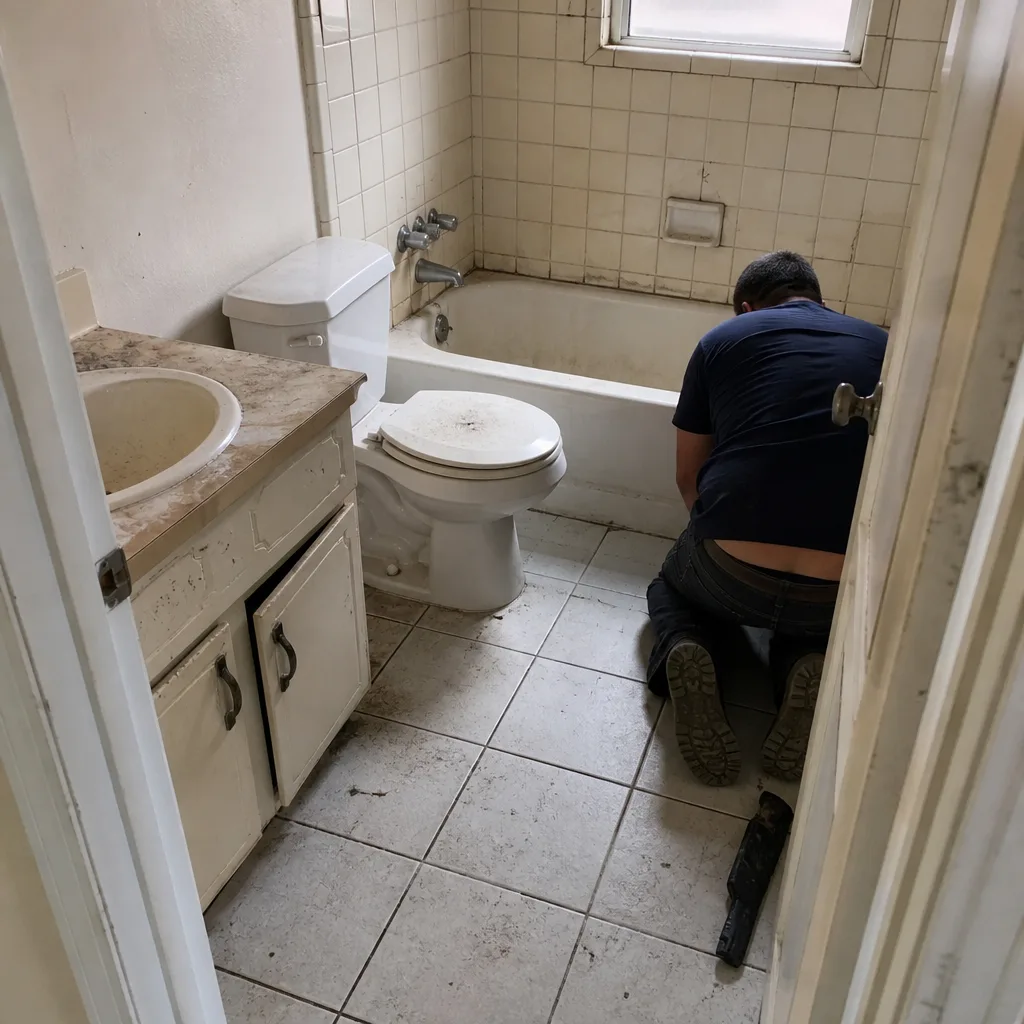 Before
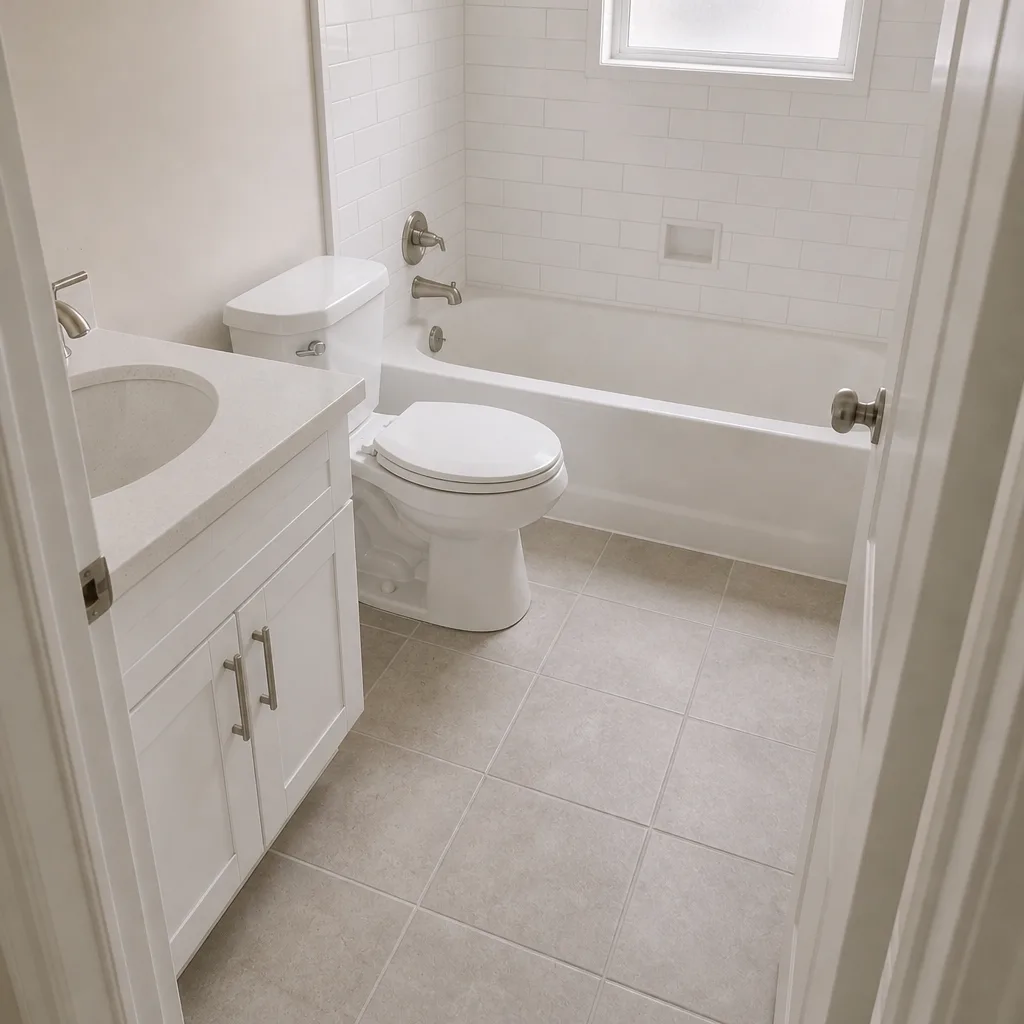 After
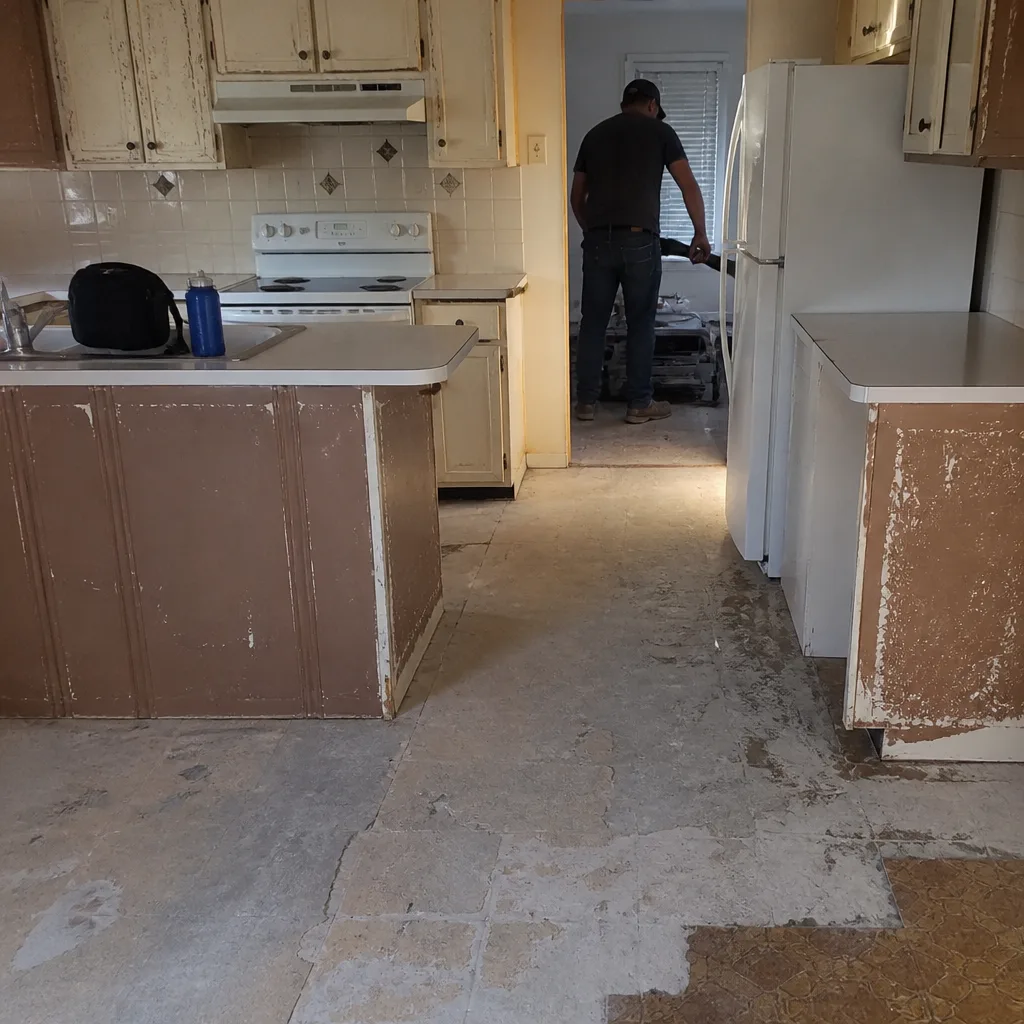 Before
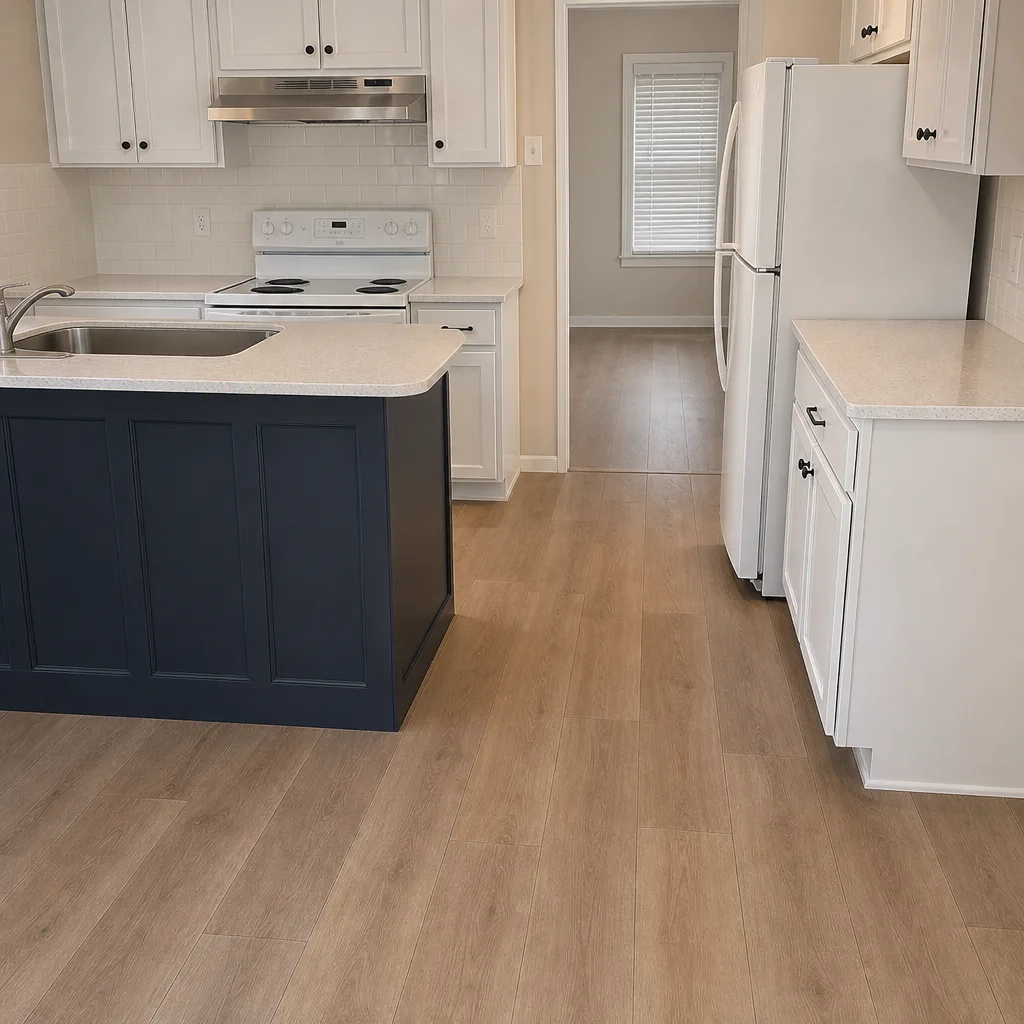 After
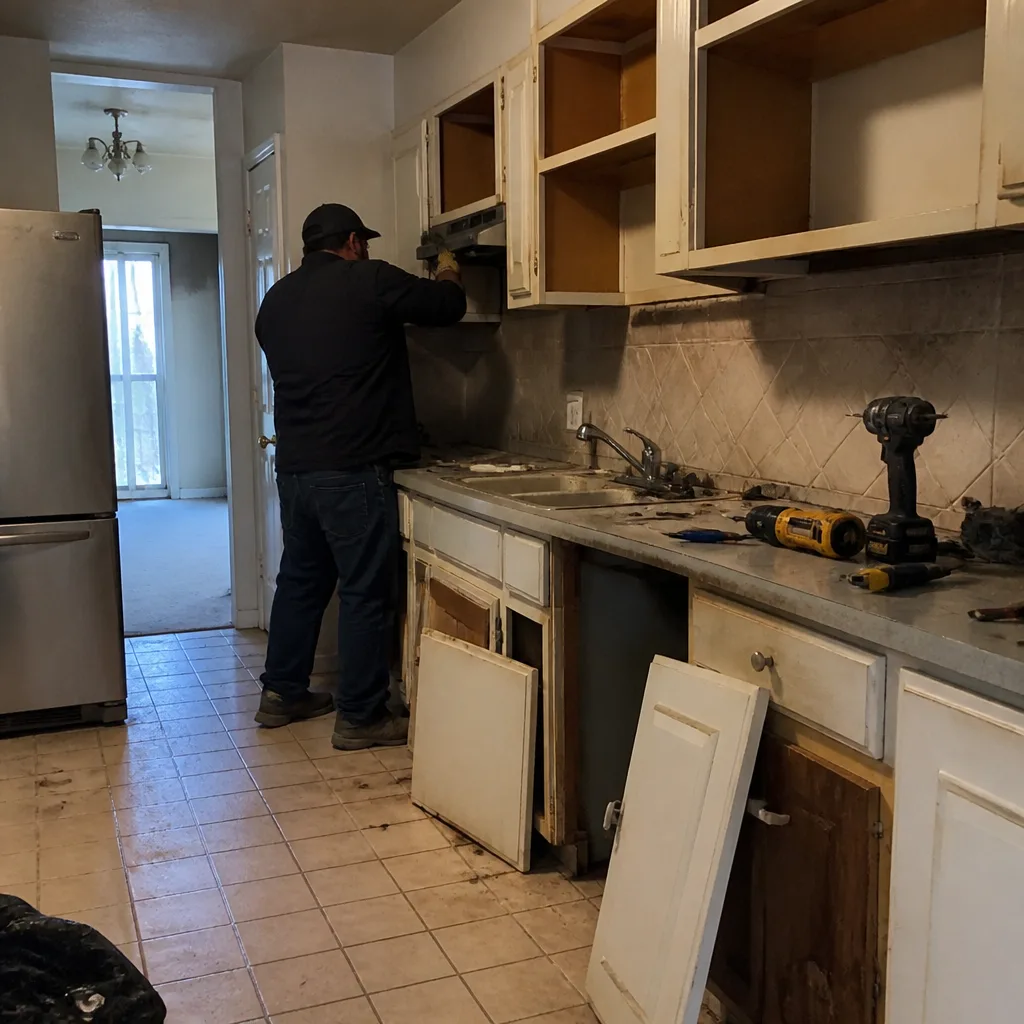 Before
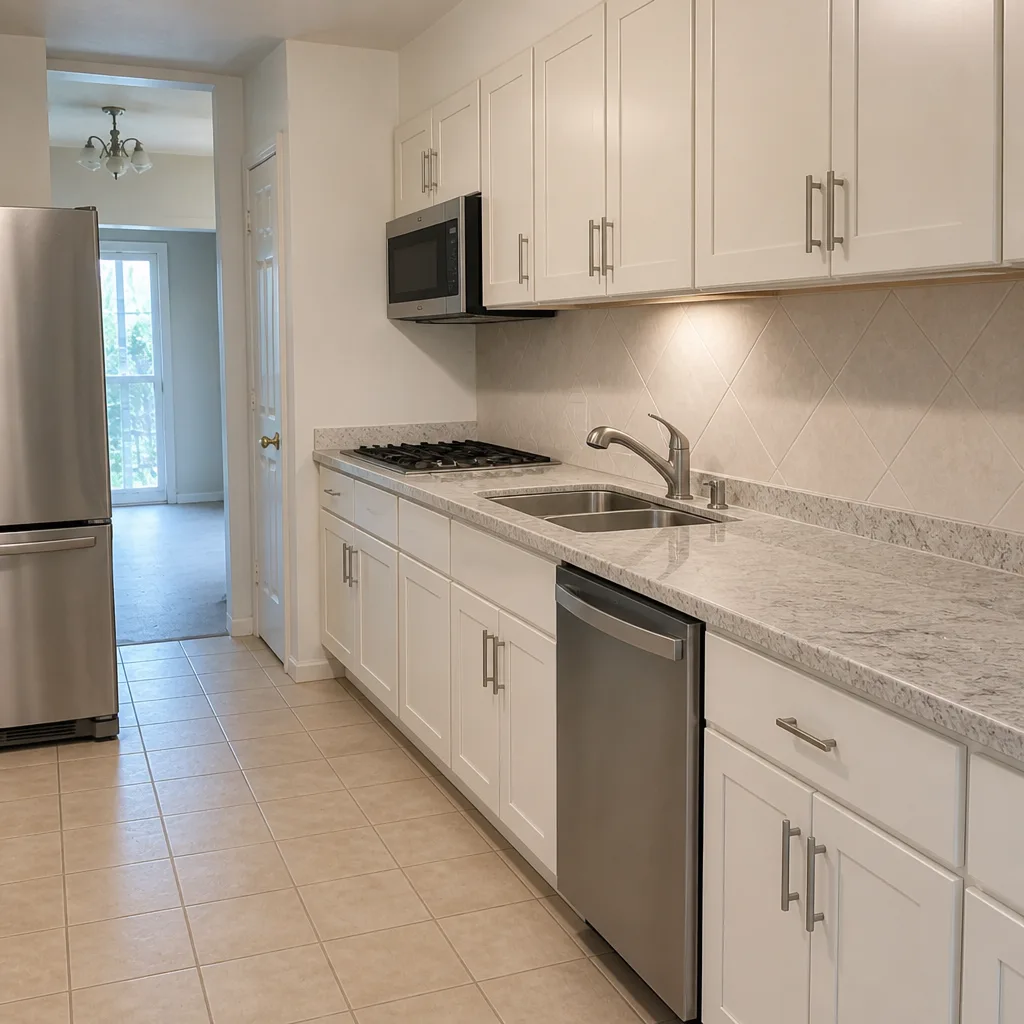 After
When to Call a Professional
Some projects call for a licensed contractor by code, and some just call for one by good sense. You need a licensed professional when the work involves structural changes, electrical wiring, gas lines, plumbing supply or drain lines, or anything requiring a city permit and inspection. You should also call a professional when the project spans multiple trades or requires design coordination you’d otherwise be managing yourself. A kitchen with new cabinets, countertops, electrical, plumbing, and tile is a five-trade project, even if it feels like a “simple” remodel.
Construction Frisco offers free estimates in Frisco. Call (833) 620-7367 and we’ll walk the project with you, itemize the bid by brand and grade, and give you a written line-item estimate that compares cleanly against anything else you’re considering. We answer 24/7, and we’ll schedule the site visit on your timeline.
Frequently Asked Questions
Texas doesn’t license general contractors statewide, but the trades inside a remodel do require licensing. Electrical, plumbing, mechanical, and boiler work each require a TDLR or trade-board license in Texas. So while your general contractor may not hold a single “GC license,” the licensed trades working under the project do, and the contract should name who pulls the permits. For a Frisco remodel, confirm the licensed trade coverage before construction starts, not after. Call (833) 620-7367 to walk through the licensing structure on your specific project.
Go to TDLR.texas.gov and use the license lookup tool. Enter the contractor’s company name or license number. Confirm active status, license class, and expiration date. For plumbing specifically, cross-check with the Texas State Board of Plumbing Examiners’ own database. If a contractor can’t or won’t provide their license number in writing before the first meeting, that’s a signal worth paying attention to. Call (833) 620-7367 if you’d like help identifying which license type applies to your project scope.
A contractor working in Frisco should carry both general liability insurance and workers’ compensation. General liability covers property damage caused by the work; workers’ comp covers injuries on the job site. Ask for a current certificate of insurance and call the listed agent to verify it covers your project. Small operations can legally operate without workers’ comp in Texas, so request a written statement of exemption if that applies. Get the paperwork before signing anything. Call (833) 620-7367 for a free estimate and a copy of our project insurance documentation.
Many Frisco neighborhoods are governed by HOAs with architectural review committees that require design approval for exterior changes. Without a contingency clause in the contract, you could sign, get denied by the committee, and still be responsible for cancellation or re-drawing fees. The contingency makes project commitment conditional on design approval. Have your contractor provide the drawings and material specifications needed for the committee submission. Call (833) 620-7367 to schedule a free estimate, and we’ll walk through any HOA review requirements with you.
Tie payments to passed inspections, not calendar dates. A typical structure pays a deposit at signing, then releases funds at rough framing inspection, rough-in inspection, drywall/finish milestones, and final inspection. Retain 5-10% as retainage until the punch list is complete. Upfront-heavy schedules are a red flag, and any large deposit should be documented and explained. The written estimate sets the final price, and change orders should be separate and signed. Call (833) 620-7367 for a free estimate and a sample payment schedule structured to protect you.
A bid that arrives without a site visit is the biggest red flag in our experience. High demand in the Frisco market has pushed some contractors to quote from templates without ever walking the home. Template bids miss site-specific scope and lead to change orders later. Pair this with bids that don’t itemize materials by brand and grade, and you have two reasons to look elsewhere. Require a site visit, require a brand-specific line-item estimate. Call (833) 620-7367 to schedule a free estimate with a full site visit.
The Bottom Line
Hiring a construction contractor in Frisco comes down to verification. Check TDLR registration and every trade license on the project. Confirm general liability and workers’ compensation with the insurance agent directly, not just a document. Require a site visit before any bid is sent. Get the contract clauses in writing: HOA contingency, permit-pull responsibility, inspection hold points, and a written change order process. Tie payments to passed inspections rather than calendar dates, and retain a percentage until the punch list is done. Demand brand-and-grade itemization so you can actually compare bids. When the project spans multiple trades, one accountable contractor beats three specialists. These steps protect you regardless of who you hire, and they’re the standard we hold our own bids to.
Call (833) 620-7367 for a free estimate on your Frisco project. We answer 24/7. Fast dispatch from 7am to 7pm, Sunday through Friday.
Written by the team at Construction Frisco.